
South Boston Cardiac Testing: Local Care and Common Tests
South Boston cardiac testing can help identify possible heart rhythm problems, blocked arteries, weak heart muscle, or valve concerns close to home. Local cardiology practices and hospital-based services may offer tests such as EKGs, echocardiograms, stress tests, and wearable rhythm monitors, usually after an evaluation and referral from a primary care clinician or cardiologist.
| Common test | What it checks |
|---|---|
| EKG/ECG | Heart rate and rhythm |
| Echocardiogram | Heart muscle, valves, and pumping function |
| Stress test | How the heart responds to exercise or medication |
| Holter or event monitor | Irregular rhythms that come and go |
Chest pain, shortness of breath, dizziness, fainting, unusual fatigue, or a racing heartbeat deserve timely medical attention, especially for people with high blood pressure, diabetes, high cholesterol, or a family history of heart disease. Severe or sudden chest pain, particularly with sweating, nausea, or trouble breathing, is an emergency – call 911.
At Halifax Heart Center, we provide South Boston cardiac testing and cardiovascular care for patients throughout Halifax County and Southside Virginia, with a focus on prevention, clear answers, and individualized next steps. This guide explains where testing may be available locally and what to expect before, during, and after your evaluation.
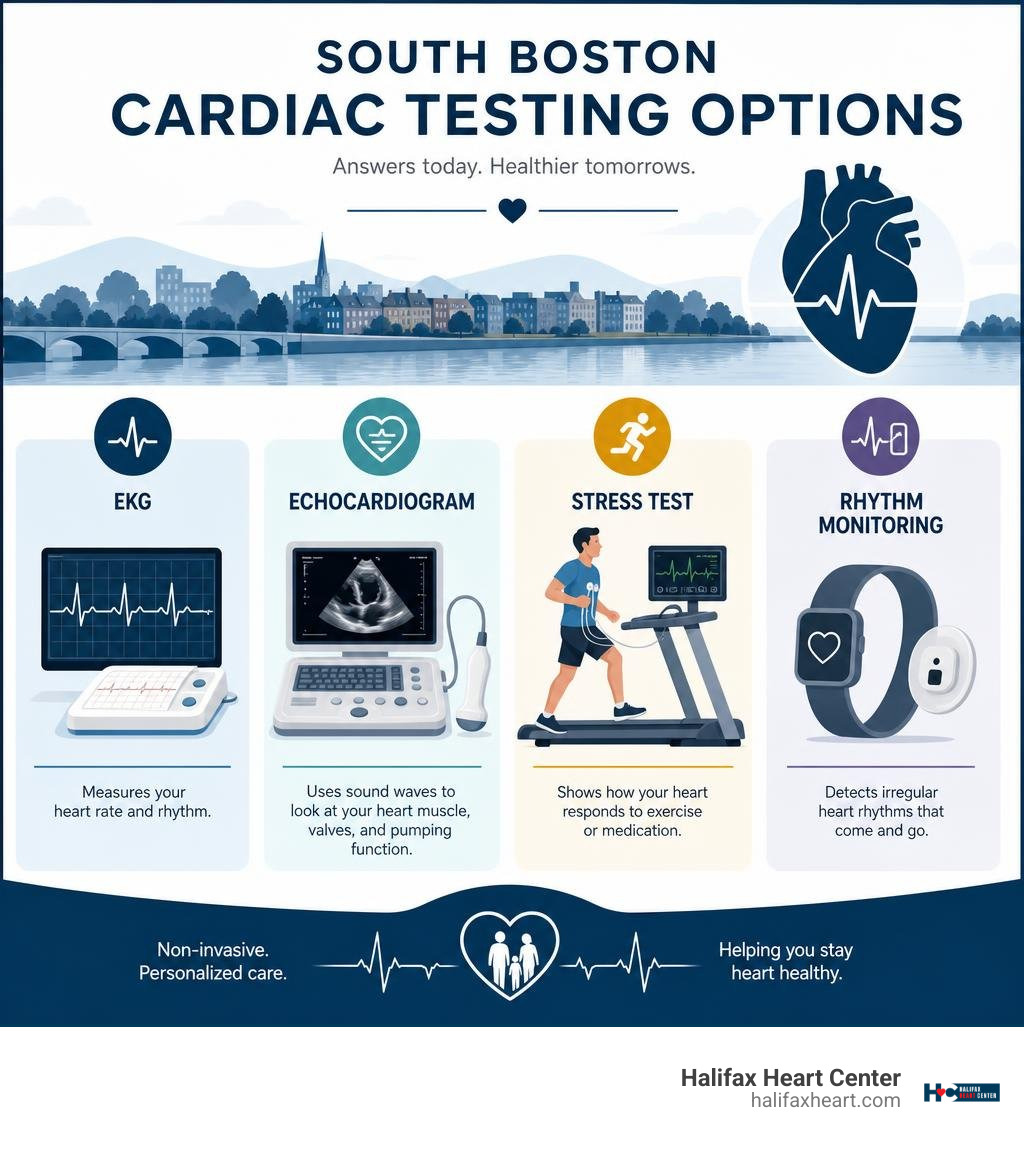
South Boston cardiac testing terms explained:
Overview of South Boston Cardiac Testing Options
When you or a loved one experience potential cardiovascular symptoms, having local access to accurate diagnostic tools makes a tremendous difference. Heart disease remains the leading health challenge across the United States—responsible for nearly one in three deaths each year—yet early detection through targeted non-invasive testing allows us to catch conditions before they progress to major medical emergencies.
By accessing Diagnostic Heart Testing South Boston VA, patients throughout Halifax County and surrounding communities receive rapid clinical evaluations without the burden of long highway travel to distant urban centers. Local testing ensures smooth care coordination between your primary care physician and specialized heart care providers, giving you prompt answers and a clear path toward better health.
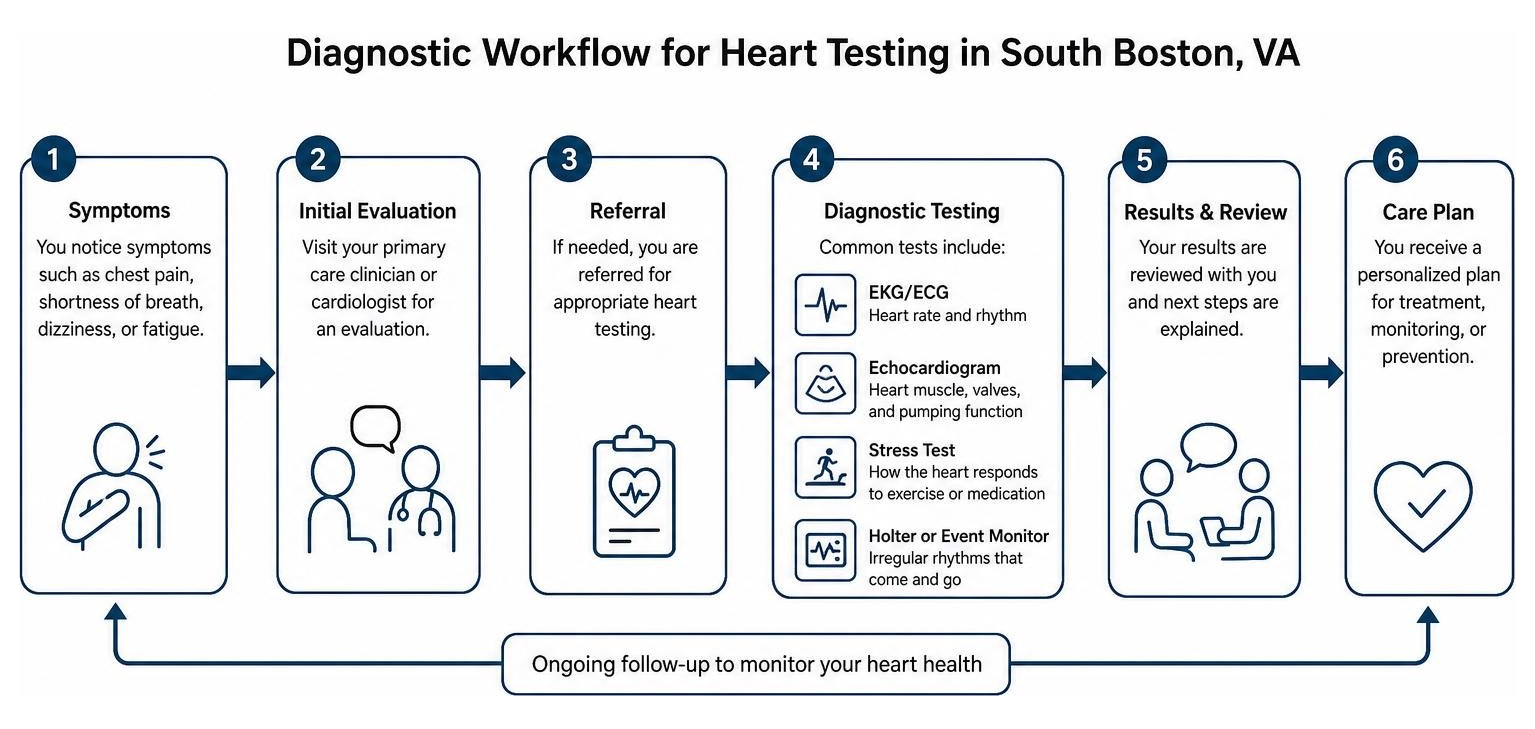
Types of Diagnostic Cardiac Tests
Diagnostic heart evaluations involve a range of non-invasive and minimally invasive techniques designed to analyze the electrical, structural, and vascular health of your heart:
- Electrocardiogram (EKG/ECG): A quick, painless test that records the electrical signals in your heart. An EKG reveals your heart rate, rhythm, and subtle clues about previous heart damage or current strain.
- Echocardiography (Echo): An ultrasound of the heart that uses high-frequency sound waves to create live, detailed images of your heart chambers, valves, and pumping action (ejection fraction).
- Stress Testing: Measures how your heart behaves when forced to work harder under controlled exercise or medication-induced stress. It helps detect coronary artery disease and arterial blockages.
- Holter Monitoring: A lightweight, portable device worn for 24 to 48 hours that continuously records every single heartbeat to capture temporary rhythm disturbances during your routine daily activities.
- Event Monitors: Wearable devices used for longer periods (up to 30 days) that record cardiac electrical activity when activated by the patient during unexpected symptoms like dizziness or palpitations.
| Diagnostic Test | Primary Purpose | Test Duration | What It Measures |
|---|---|---|---|
| EKG / ECG | Rapid baseline evaluation | 5–10 minutes | Electrical activity & heartbeat cadence |
| Echocardiogram | Structural visualization | 30–45 minutes | Valve motion, chamber size & pump strength |
| Exercise Stress Test | Ischemia & blockage detection | 45–60 minutes | Blood flow response during treadmill exertion |
| Holter Monitor | Short-term continuous rhythm tracking | 24–48 hours | Uninterrupted electrical recording during daily life |
| Event Monitor | Intermittent symptom capture | 7–30 days | On-demand or automated rhythm recording during symptoms |
How to Choose a South Boston Cardiac Testing Facility
Selecting the right location for South Boston cardiac testing involves looking at several crucial quality factors:
- Facility Accreditation and Standards: Ensure the diagnostic laboratory uses certified diagnostic protocols and modern digital imaging platforms.
- Specialist Availability: Choose a clinic staffed by board-certified cardiologists and experienced diagnostic technologists who review and interpret your test results promptly.
- Modern Testing Technology: Advanced ultrasound transducers, digital EKG machines, and lightweight wearable monitors deliver far greater diagnostic accuracy and patient comfort.
- Patient-Centered Experience: Look for a clinic that emphasizes gentle care, clear explanations, minimal wait times, and direct communication.
- Insurance Acceptance: Verify that the facility works with Medicare, Medicaid, and major commercial insurance plans to streamline billing and minimize unexpected out-of-pocket costs.
Preparing for and What to Expect During Your Heart Test
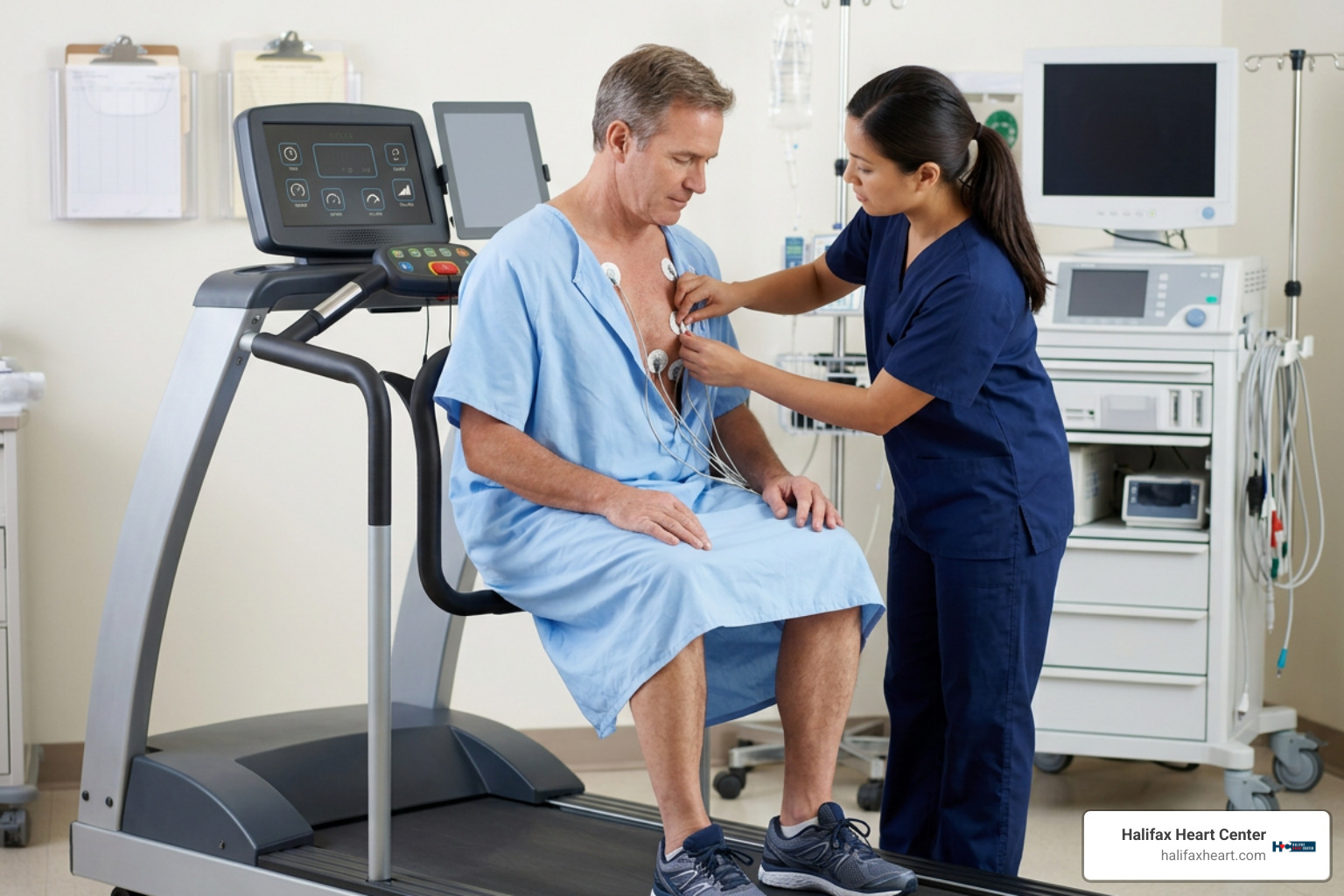
Knowing what to expect before arriving for your cardiac evaluation helps eliminate unnecessary anxiety and guarantees accurate test results. Every procedure follows specific safety standards to protect your health while gathering vital information about your cardiovascular system.
Preparing for South Boston Cardiac Testing Procedures
Proper preparation depends on the specific test scheduled by your physician. Following these basic rules ensures optimal diagnostic accuracy:
- Fasting Guidelines: For exercise or nuclear stress testing, you may be instructed to fast (no food or liquids other than water) for 4 to 6 hours before your appointment. Standard EKGs and baseline echocardiograms typically require no dietary restrictions.
- Caffeine Restriction: Caffeine can alter your resting heart rate and interfere with specific cardiac stress medications. Avoid coffee, tea, energy drinks, soda, decaf products, and chocolate for 24 hours prior to any stress test.
- Medication Adjustments: Continue taking your regular medications unless specifically directed otherwise by our clinical staff. Some medications, such as beta-blockers, may need to be temporarily paused prior to stress testing. Always bring a complete list of your current prescriptions.
- Comfortable Clothing: Wear comfortable, loose-fitting two-piece clothing and supportive walking or running shoes if you are undergoing a treadmill stress test.
- Skin Preparation: Avoid applying body lotions, creams, or oils to your chest on the morning of your test, as these prevent adhesive EKG electrodes from sticking securely.
What Happens During Common Heart Diagnostics
When you step into the clinical suite, our team guides you through every phase of your diagnostic exam:
- EKG Procedure: You will lie comfortably on an exam table while small, sticky sensor patches (electrodes) are attached to your chest, arms, and legs. The EKG machine records your heart’s electrical activity in less than a minute. You won’t feel any electrical current.
- Echocardiogram Process: You will lie on your back or side in a dimly lit room. A diagnostic sonographer applies warm ultrasound gel to your chest and glides a handheld transducer over the skin to capture detailed moving pictures and audio readings of your heart valves and muscle walls.
- Stress Testing Workflow: Electrodes and a blood pressure cuff are placed on your body. You begin walking slowly on a treadmill, with speed and incline gradually increasing every three minutes. Your heart rhythm, blood pressure, and overall exertion are continuously monitored by our medical team.
- Rhythm Monitor Placement: For Holter or event monitors, small chest electrodes connect to a tiny recording device clipped to your belt or worn around your neck. You will maintain a daily symptom diary while wearing the monitor during your normal home and work routine.
Costs, Insurance, and Referral Guidelines

Navigating health insurance rules, prior authorization requirements, and medical referrals can feel overwhelming, but our office works closely with patients to ensure smooth access to care.
Most health insurance plans—including Medicare, Virginia Medicaid, and commercial carriers—cover medically necessary cardiac diagnostic procedures. However, coverage usually requires a formal physician referral based on documented symptoms like chest discomfort, unexplained shortness of breath, elevated blood pressure, or abnormal physical exam findings.
To keep your out-of-pocket expenses clear and manageable, review our helpful checklist before your scheduled visit:
- Obtain a Physician Referral: Check whether your insurance plan requires your primary care provider to issue a formal electronic referral before visiting our specialists.
- Verify Prior Authorization: Certain specialized diagnostic tests, such as stress echocardiograms or extended rhythm monitoring, may require pre-approval from your insurance provider. Our administrative team assists in submitting necessary documentation.
- Understand Medicare Guidelines: Medicare Part B generally covers 80% of the approved cost for medically necessary diagnostic heart tests after your annual deductible is met.
- Clarify Out-of-Pocket Obligations: Inquire about applicable co-pays, coinsurance amounts, or deductibles prior to your appointment day.
Explore our comprehensive range of local services at Heart Services South Boston VA to learn how we coordinate care with your insurance network.
Benefits, Risks, and Innovations in Cardiac Testing
Modern non-invasive cardiac testing provides immense benefits with virtually zero risk to the patient. By detecting early signs of arterial blockages, valve leakage, or electrical misfires, diagnostic evaluations allow cardiologists to initiate early medical interventions, lifestyle modifications, or targeted treatments long before a catastrophic event like a stroke or heart attack occurs.
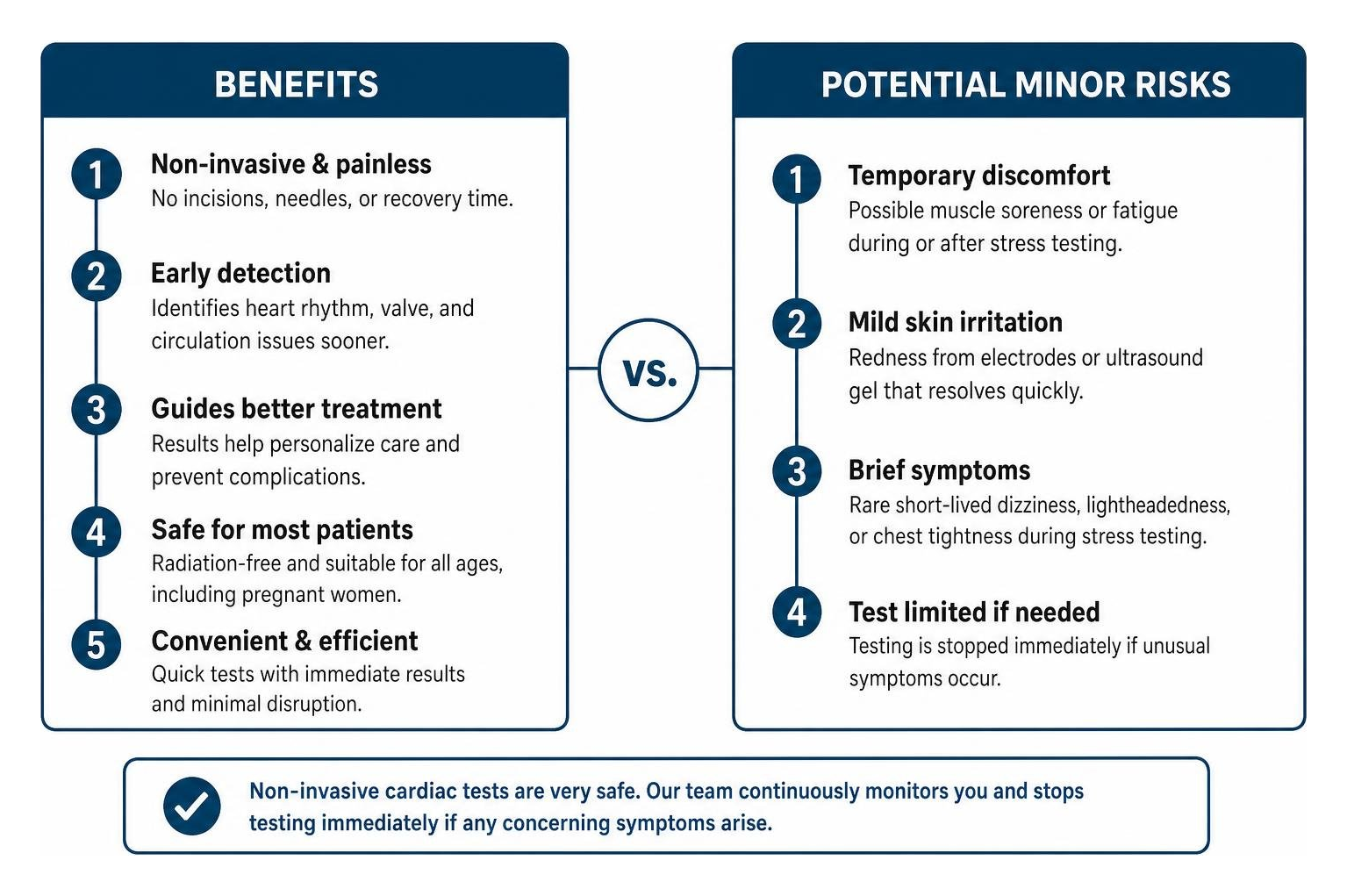
The safety profile of non-invasive heart diagnostics is exceptionally high:
- EKGs, Echocardiograms, and Wearable Monitors: Completely non-invasive, radiation-free, and safe for patients of all ages, including pregnant women.
- Exercise Stress Tests: Carried out under continuous clinical surveillance by trained staff equipped with emergency medical protocols. While physical exertion carries a slight risk of temporary chest tightness or fatigue, testing is stopped immediately if unusual symptoms occur.
Recent technological advancements have transformed the field of non-invasive diagnostics. Today’s ultrasound systems produce ultra-high-definition, three-dimensional images of heart valve architecture. Furthermore, digital Holter and event monitors have evolved into lightweight, water-resistant sensors that stream real-time rhythm data securely to your medical care team via cloud-based platforms. These innovations mean faster diagnoses, greater patient convenience, and more precise treatment planning right here in Halifax County.
Frequently Asked Questions About Cardiac Testing
When should you see a cardiologist for testing?
You should consider seeing a cardiologist for diagnostic testing if you experience persistent or recurring symptoms such as chest pain or pressure, unexplained shortness of breath during daily activities, heart palpitations (fluttering or racing beats), frequent dizziness, or unexplained fainting spells.
Additionally, individuals with major cardiovascular risk factors—such as chronic high blood pressure, elevated cholesterol levels, diabetes, a history of smoking, or a strong family history of early heart disease—should undergo routine preventive heart evaluations. Learn more about our specialized medical team by visiting Heart Providers South Boston VA.
Does a negative stress test completely rule out heart disease?
While a negative stress test is highly reassuring and indicates that your heart receives adequate blood flow during physical exertion, it does not completely rule out all forms of heart disease.
A standard exercise stress test is designed to identify significant arterial blockages (typically those blocking 70% or more of a blood vessel). It may not detect mild, early-stage plaque accumulation that has not yet restricted blood flow. If you continue to experience troubling symptoms despite a normal stress test result, your cardiologist will perform further clinical evaluations to ensure your heart remains healthy.
Do you need a doctor’s referral for cardiac testing?
In most cases, yes. Insurance providers usually require a written referral from a primary care clinician or attending specialist confirming that cardiac diagnostic testing is medically necessary.
A formal referral ensures that the specific test ordered matches your individual clinical symptoms and that your insurance plan’s coverage criteria are met. If you are experiencing new or worsening cardiovascular symptoms, contact your primary care doctor or our office to discuss getting a referral for South Boston cardiac testing.
Conclusion
Taking charge of your cardiovascular health starts with clear information and reliable local testing. Whether you require a routine baseline EKG, a detailed echocardiogram, or wearable rhythm tracking, having access to advanced South Boston cardiac testing ensures you receive rapid, high-quality medical answers without needing to travel far from home. Early diagnosis remains our most powerful tool for preventing serious cardiac complications and maintaining a vibrant, active life.
At Halifax Heart Center, located conveniently at 2232 Wilborn Ave Suite A in South Boston, VA, our compassionate team is dedicated to supporting patients across South Boston, Halifax County, and Southside Virginia with state-of-the-art diagnostic testing and personalized cardiovascular care.
To learn more about how we diagnose and manage heart conditions, explore our guide on Comprehensive Heart Disease Diagnosis and Treatment in South Boston, VA. Ready to schedule your heart evaluation? Reach out to us today through our Halifax Heart Center Appointment portal and take the first step toward lasting heart health close to home.