
Your Step-by-Step Guide to Booking a Heart Screening Appointment in South Boston
Book a South Boston Cardiology Appointment With Confidence
A South Boston cardiology appointment can help you get clear answers about chest discomfort, shortness of breath, unusual fatigue, palpitations, or heart disease risk factors such as high blood pressure, diabetes, high cholesterol, or family history.
To get started, call Halifax Heart Center at (434) 572-8977 or submit an appointment request online. Have your insurance information, medication list, symptom details, and any recent test results ready. Ask whether your health plan requires a primary care referral before your visit.
Do not wait for a routine appointment if you have sudden or severe chest pain, especially with sweating, nausea, fainting, or trouble breathing. Call 911 or seek emergency care right away.
At Halifax Heart Center, we provide local cardiovascular care for patients across South Boston, Halifax County, and Southside Virginia, with a focus on prevention, early detection, accurate testing, and personal treatment plans. Our experience helping patients arrange a South Boston cardiology appointment makes the next steps simpler, whether you need a first heart screening or ongoing care.
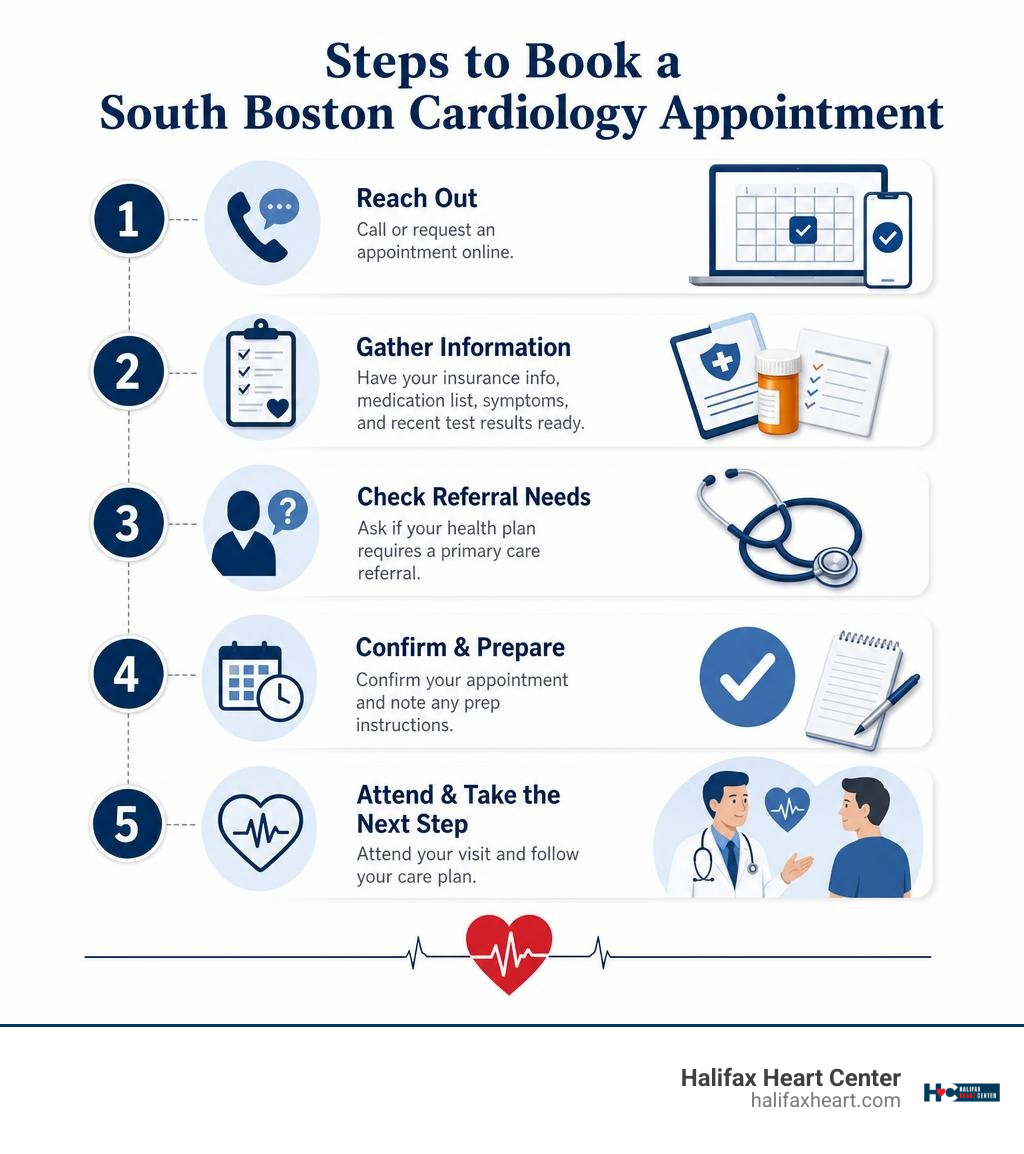
South Boston cardiology appointment terms simplified:
Navigating Local Heart Care Options: South Boston, VA vs. South Boston, MA
When searching online for cardiovascular providers, one common hurdle patients face is geographic confusion. South Boston, Virginia (located in Halifax County) shares a name with the neighborhood of South Boston in Massachusetts. While this might seem like a minor detail, automated online search engines frequently mix up provider directories across these two distinct locations.
When you are looking to schedule a South Boston cardiology appointment, it is crucial to ensure that your chosen practice is actually located right here in Southside Virginia. Traveling hours away or inadvertently calling a clinic in New England is the last thing you want when trying to address heart health concerns.
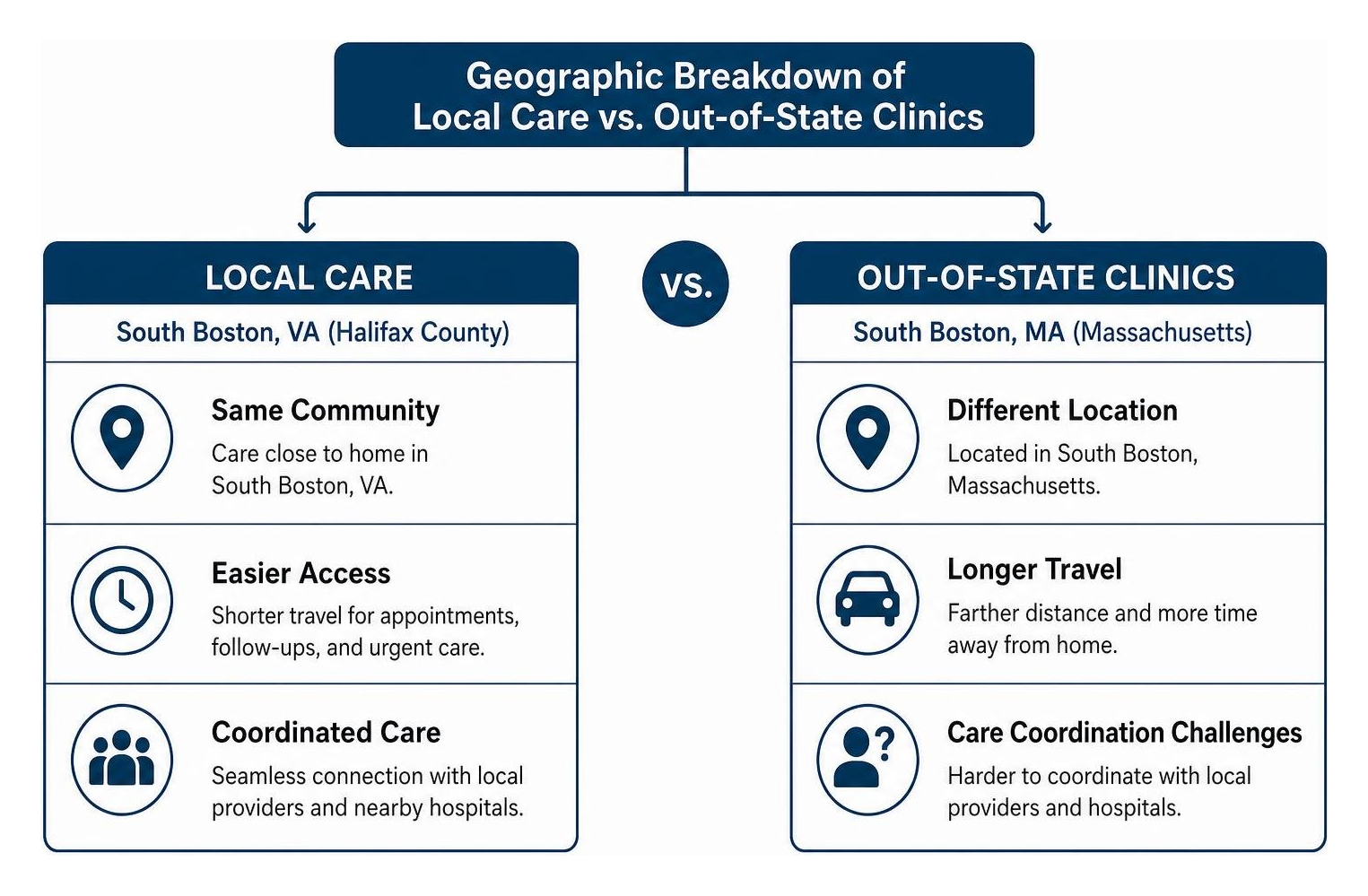
Local care in South Boston, VA offers distinct advantages over traveling long distances or sorting through distant medical centers:
- Immediate Local Access: Having your heart team nearby means routine follow-ups, diagnostic monitoring, and urgent cardiac questions can be handled without long highway drives.
- Community-Centered Care: Local practices develop deep relationships with the patient community, coordinating seamlessly with local primary care doctors and area facilities like Sentara Halifax Regional Hospital.
- Integrated Diagnostics: Having comprehensive diagnostic testing, device checkups, and preventive support under one local roof simplifies your entire care pathway.
At Halifax Heart Center, located at 2232 Wilborn Ave Suite A in South Boston, VA, we have provided over 20 years of dedicated cardiovascular care to Southside Virginia residents with our experienced team of more than 8 doctors and support staff.
Evaluating Local Heart Specialists and Provider Ratings
Choosing the right cardiologist is a personal and vital decision. When evaluating heart specialists in South Boston, VA, review credentials, clinical experience, and patient feedback to ensure you feel completely comfortable with your care team.
Physician directory sites such as Healthgrades offer valuable insights into doctor ratings, board certifications, and verified patient feedback. In South Boston, VA, local heart specialists hold exemplary patient satisfaction scores, with an overall average rating of 4.9 stars across local practice listings.
For example, Dr. Said Iskandar maintains a 4.7 out of 5 star rating from 14 verified patient reviews on Healthgrades, recognized for his core clinical philosophy: “Serve with heart. Succeeding as one team. Caring for our community.” Similarly, Dr. Janardhan Srinivasan holds a 5.0 out of 5 star rating from 3 reviews, and Dr. Habib Bassil holds a 5.0 out of 5 star rating from 2 reviews.
When reviewing provider profiles, consider the following key metrics:
- Board Certification: Ensure your specialist is board certified in Cardiovascular Disease and maintains active sub-specialty qualifications in non-invasive imaging, echocardiography, or nuclear cardiology.
- Patient Communication: High patient satisfaction ratings consistently highlight doctors who take the time to explain EKG results, diagnostic findings, and treatment options in clear, non-technical language without making patients feel rushed.
- Practice Longevity: Practices with established roots in Halifax County offer reliable long-term continuity of care, which is vital for managing chronic conditions like hypertension, heart failure, or coronary artery disease.
To learn more about selecting the best provider for your needs, explore our guide on how to Choose Cardiologist in South Boston VA.
Recognizing Symptoms and Risk Factors That Require Cardiovascular Evaluation

Your heart works continuously, and subtle signals often alert you to underlying cardiovascular changes before a major health event occurs. Recognizing when to schedule a South Boston cardiology appointment is an essential component of protecting your long-term wellness.
Many cardiovascular issues develop gradually. High blood pressure (hypertension) and elevated cholesterol (hyperlipidemia) often earn the nickname “silent conditions” because they damage blood vessels over time without causing obvious day-to-day discomfort. Regular cardiovascular evaluations allow us to catch these early markers before they lead to coronary blockages or heart muscle strain.
Key symptoms and risk factors that warrant a heart evaluation include:
- Unexplained Shortness of Breath: Feeling winded during normal daily activities, while climbing stairs, or when lying flat at night.
- Chest Discomfort or Pressure: Squeezing, tightness, heavy pressure, or aching sensations in the chest, shoulders, arms, neck, or jaw.
- Palpitations or Irregular Heartbeats: Feeling like your heart is racing, fluttering, pounding, or skipping beats.
- Persistent Dizziness or Lightheadedness: Unsteady feelings or near-fainting spells during physical activity or sudden position changes.
- Swelling in the Legs, Ankles, or Feet: Fluid retention (edema) caused by reduced circulation or heart function.
- Chronic High Risk Factors: Managing a personal history of diabetes, high blood pressure, high cholesterol, peripheral artery disease, or tobacco use.
When to Seek Immediate vs Routine Heart Screening
Understanding the distinction between an emergency cardiac event and a routine heart screening ensures you get the appropriate level of care without delay.
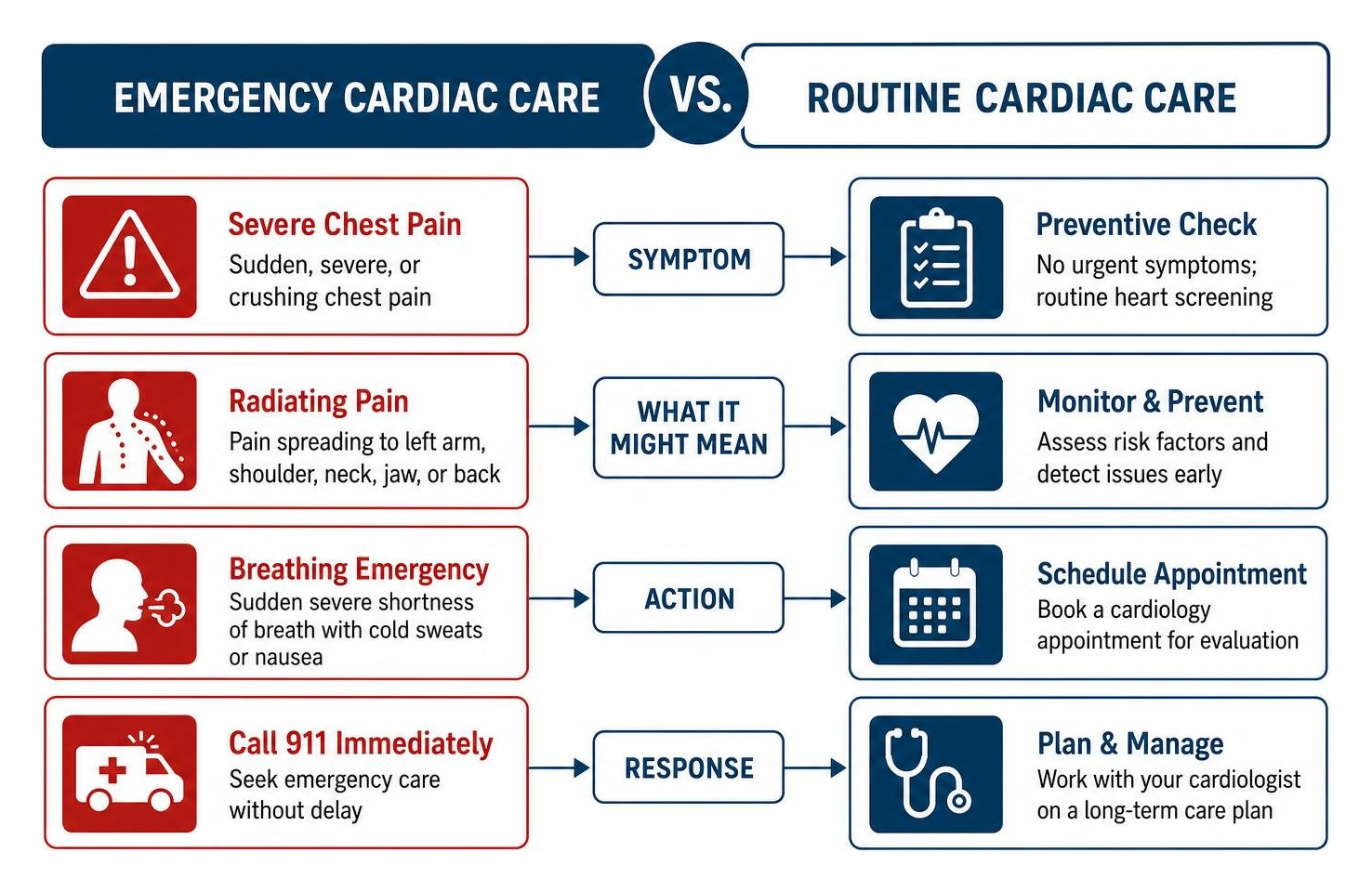
Emergency Symptoms (Call 911 Immediately)
Never wait for an outpatient appointment if you experience:
- Sudden, severe, or crushing chest pain
- Chest pain radiating to the left arm, shoulder, neck, jaw, or back
- Sudden severe shortness of breath accompanied by cold sweats or nausea
- Sudden loss of consciousness (syncope) or profound confusion
- Acute weakness or numbness on one side of the body
Routine Screening Symptoms (Book an Outpatient Appointment)
You should schedule a routine cardiac evaluation if you experience:
- Mild, exercise-induced fatigue or gradual decline in stamina
- Occasional mild heart flutters when resting
- A strong family history of early heart disease (e.g., a parent or sibling who suffered a heart attack before age 55)
- A need for comprehensive risk assessment before starting an intense new physical exercise program
- Long-term management of high blood pressure or cholesterol levels requiring specialist optimization
To view the full range of diagnostic and preventive care solutions we offer locally, visit our overview of Heart Services South Boston VA.
Step-by-Step Guide to Scheduling a South Boston Cardiology Appointment

Booking a South Boston cardiology appointment does not have to be complicated or stressful. By following a structured approach, you can navigate the process smoothly from initial contact to your first consultation.
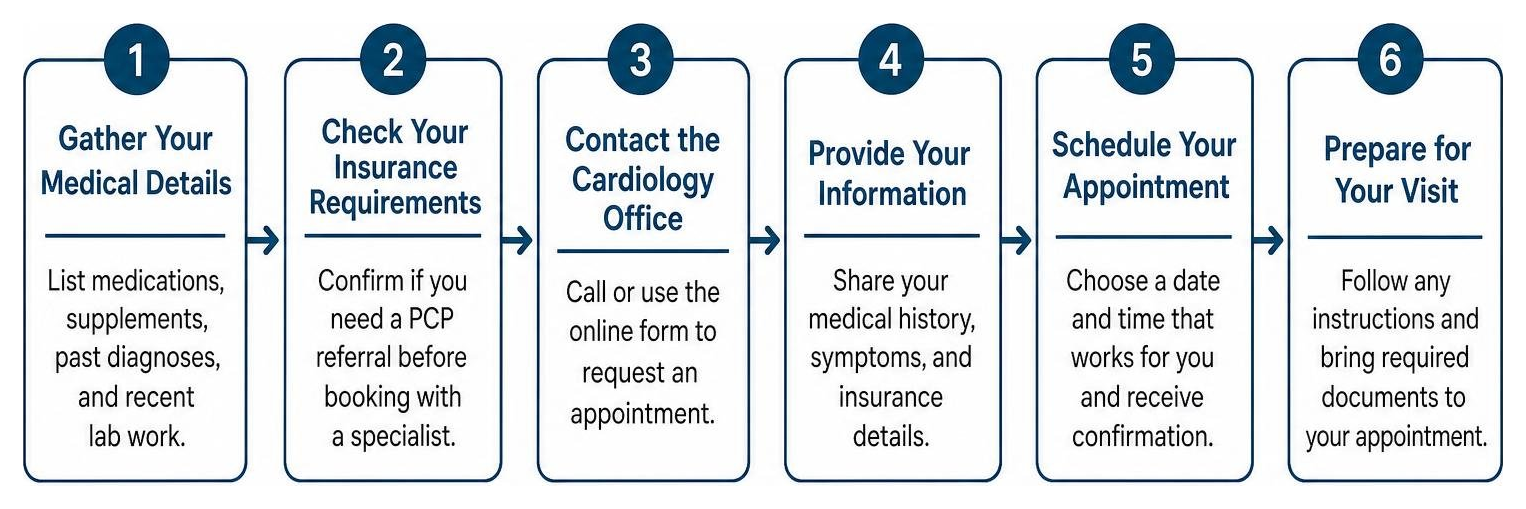
- Step 1: Gather Your Medical Details
Compile a complete list of your current prescription medications, over-the-counter supplements, past medical diagnoses, and recent lab work. - Step 2: Check Your Insurance Plan Requirements
Review your insurance policy or contact your insurer to determine whether you need a formal Primary Care Provider (PCP) referral before booking with a specialist. - Step 3: Contact Halifax Heart Center
Call our office directly at (434) 572-8977 or submit an appointment request through our secure online scheduling portal. - Step 4: Request Prior Medical Records
Ask your primary care physician or previous clinics to forward recent EKG reports, blood work panels, or imaging studies to our team prior to your scheduled visit. - Step 5: Confirm Your Appointment and Location
Verify your appointment date, time, and arrival instructions at our office (2232 Wilborn Ave Suite A, South Boston, VA 24592).
Preparing Information for Your South Boston Cardiology Appointment
Being well-prepared for your appointment helps your care team evaluate your condition thoroughly and create a tailored management plan.
To maximize the value of your initial evaluation, organize the following items:
- Symptom Tracker: Note when your symptoms occur, how long they last, what triggers them (such as exertion, stress, or specific meals), and what helps relieve them.
- Comprehensive Medication List: Write down exact dosages and frequencies for all prescription drugs, vitamins, supplements, and daily over-the-counter pain relievers. Bringing your actual pill bottles in a clear bag to your appointment is often the easiest approach.
- Personal and Family Health History: Detail any personal conditions (like diabetes, kidney disease, or thyroid issues) and note any first-degree relatives who have had heart attacks, heart failure, pacemakers, stroke, or sudden cardiac death.
- Recent Diagnostic Results: Gather copies of recent blood tests (lipid panels, blood glucose, kidney function), previous EKGs, chest X-rays, or hospital discharge summaries.
If you are looking for local heart doctors in Halifax County, review our guidance on finding a trusted Cardiologist Near Me South Boston VA.
Insurance Coverage and Referral Requirements
Navigating insurance acceptance and pre-authorization requirements is a necessary step when setting up specialist care.
Most commercial health insurance plans, Medicare, MassHealth, and regional managed care plans cover diagnostic heart screenings and specialist consultations when medically indicated. However, coverage rules vary depending on your specific policy structure:
- HMO and POS Plans: Frequently require a formal electronic referral from your established Primary Care Physician before insurance will approve payment for specialist visits.
- PPO and Open-Access Plans: Typically allow you to self-refer directly to a specialist practice without prior primary care authorization, though pre-approval may still be needed for advanced diagnostic procedures like stress tests or CT scans.
- Medicare and Medicaid Plans: Standard fee-for-service Medicare generally does not require specialist referrals, but managed Medicare Advantage plans often follow HMO referral guidelines.
Our administrative team at Halifax Heart Center works directly with insurance carriers to assist with verification and pre-authorization. We recommend calling patient registration or your health plan customer service line prior to your visit to confirm network status and copayment requirements.
What Diagnostic Tests and Preventive Care to Expect at Your Visit
When you arrive for your South Boston cardiology appointment, your specialist will utilize non-invasive diagnostic tools to evaluate your heart’s structure, electrical activity, and overall circulation.
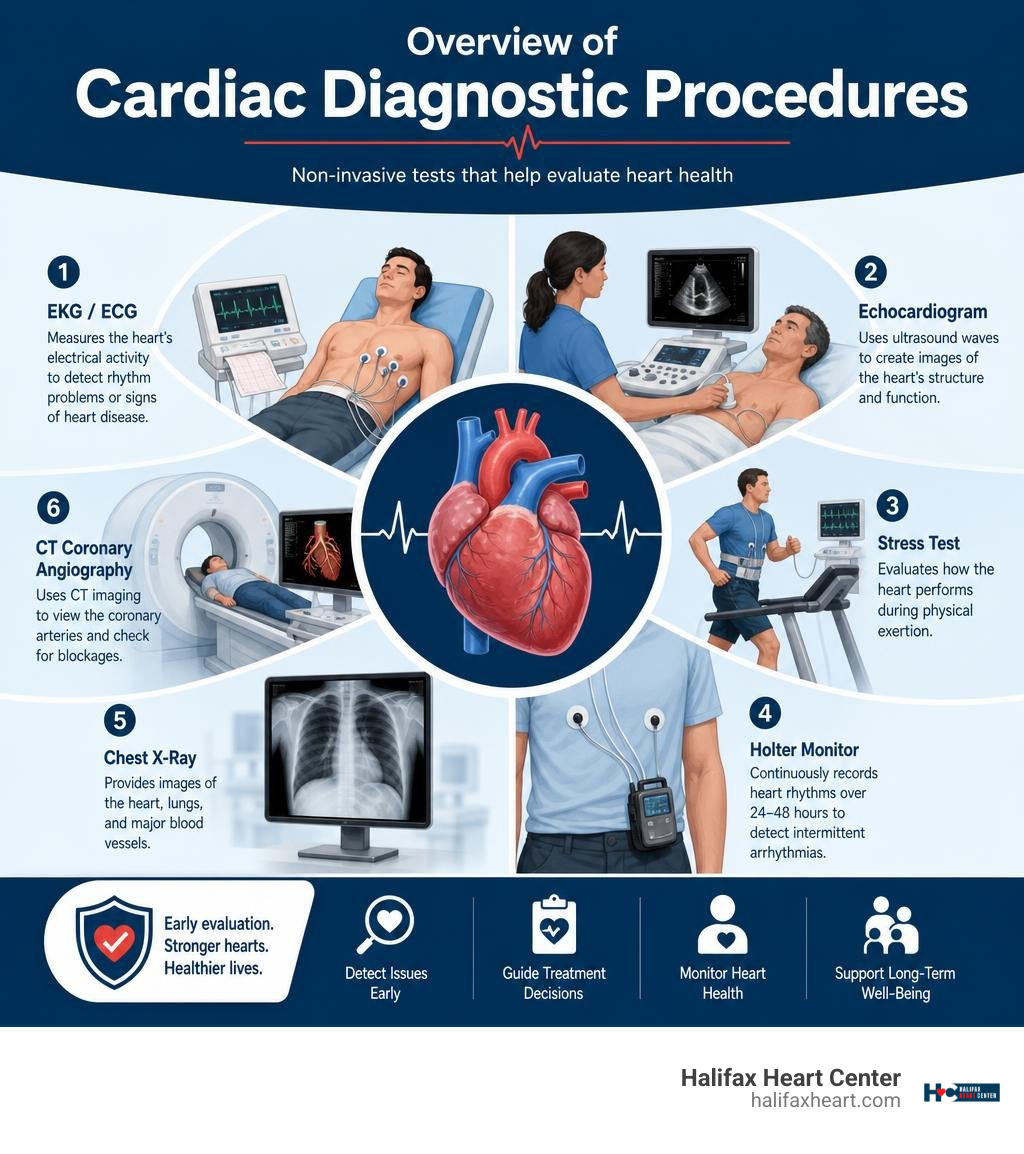
The table below outlines common non-invasive cardiac diagnostic tests performed in outpatient settings:
| Diagnostic Test | Primary Purpose | What to Expect | Duration |
|---|---|---|---|
| Electrocardiogram (EKG/ECG) | Measures heart electrical activity to detect arrhythmias or prior heart damage. | Small adhesive chest electrodes record electrical signals while you lie still. | 5 – 10 minutes |
| Echocardiogram | Ultrasound imaging evaluating heart valves, chamber size, and pumping strength. | Gel is applied to the chest and a transducer wand is moved across the ribs. | 30 – 45 minutes |
| Exercise Stress Test | Evaluates heart function and blood flow during physical exertion. | Walking on a treadmill while heart rate, blood pressure, and EKG are monitored. | 45 – 60 minutes |
| Holter / Event Monitor | Portable wearable device recording continuous heart rhythm over extended periods. | Sensors worn on the chest record electrical activity during regular daily activities. | 24 hours – 14 days |
| Pacemaker / ICD Check | Evaluates battery life and electrode function of implanted cardiac devices. | An external programmer wand reads data wirelessly from your device. | 15 – 30 minutes |
What to Expect During Your South Boston Cardiology Appointment
Your initial appointment is designed to provide a comprehensive picture of your heart health through careful evaluation and open discussion.
During your visit, your care team will guide you through several key steps:
- Vitals and Initial Assessment: A clinical staff member will record your height, weight, blood pressure in both arms, heart rate, oxygen levels, and review your chief health concerns.
- In-Office Resting EKG: A baseline EKG is often performed right in the exam room to evaluate your heart’s underlying rhythm and electrical conductivity.
- In-Depth Physician Consultation: Your cardiologist will conduct a physical examination (listening to heart sounds, lungs, and checking pulse points) and review your symptom history, family background, and lifestyle factors.
- Diagnostic Planning: Based on your consultation, your doctor will discuss whether further non-invasive testing—such as an echocardiogram, ambulatory rhythm monitoring, or nuclear stress testing—is recommended.
- Personalized Care Strategy: You will receive clear guidance regarding medication adjustments, dietary and lifestyle support, follow-up timelines, and clear action steps if new symptoms arise.
To learn more about our experienced team of specialists, read our profile on finding a trusted Heart Doctor South Boston VA.
Frequently Asked Questions About Cardiac Screening
Do I need a primary care referral for a cardiology consultation?
Referral requirements depend on your health insurance provider and plan type. Many preferred provider organization (PPO) plans allow direct scheduling without a referral, whereas health maintenance organization (HMO) plans usually require a formal referral from your primary care provider. When booking your appointment with us, our staff can help verify whether a PCP referral is required by your specific insurer.
What diagnostic procedures are performed during a first visit?
During a first visit, standard diagnostic procedures usually include a comprehensive physical exam, blood pressure check, and a 12-lead resting electrocardiogram (EKG). Depending on your symptoms, your cardiologist may also order routine cardiovascular blood panels or schedule additional non-invasive tests, such as an echocardiogram or ambulatory monitor, for a later date.
How should I prepare my personal medical records before booking?
To prepare your medical records, request that your primary care office forward your recent health history, laboratory results (especially cholesterol and diabetes markers), prior cardiac imaging reports, and recent baseline EKGs to our office. Having these records sent before your scheduled South Boston cardiology appointment allows your cardiologist to review your background thoroughly before you arrive.
Conclusion
Taking a proactive approach to your heart health is one of the most impactful decisions you can make for your long-term well-being. Whether you are seeking answers for persistent chest discomfort, managing high blood pressure, or simply looking to establish a baseline cardiovascular screening, scheduling a South Boston cardiology appointment provides clarity, peace of mind, and a clear path forward.
At Halifax Heart Center, we are dedicated to providing compassionate, high-quality heart care right here in South Boston, VA. With modern diagnostic capabilities, personalized treatment plans, and over two decades of local clinical experience, our team is here to support you at every stage of your cardiovascular journey.
Do not put off your heart health. Contact our team today or visit us online to schedule your consultation and take charge of your cardiovascular future.
For complete information on our full spectrum of heart health evaluations, visit our pillar page on Comprehensive Heart Disease Diagnosis and Treatment.