
Key Services Offered by South Boston Cardiology Specialists
Navigating your cardiovascular health requires a combination of early detection, state-of-the-art diagnostic technology, and long-term management strategies. South Boston cardiology specialists deliver a comprehensive array of medical solutions designed to keep care accessible within Halifax County and Southside Virginia. By obtaining high-quality care locally, patients avoid the physical and financial stress of traveling long distances for routine heart checkups or diagnostic follow-ups. You can explore our full range of comprehensive heart care services to see how we tailor treatment plans to each individual.
Non-Invasive Cardiac Diagnostics
Non-invasive diagnostic tests form the foundation of effective heart care. These painless, safe evaluations allow specialists to inspect the structure and electrical activity of your heart without requiring surgery or incisions.
- Electrocardiograms (EKGs): A quick test that records the electrical signals in your heart to instantly detect abnormal rhythms or evidence of past heart attacks.
- Echocardiography: An ultrasound assessment that uses sound waves to generate live visual images of your heart’s chambers, valves, and pumping action.
- Holter and Event Monitoring: Wearable recording devices that continuously monitor your heart rhythm over 24 hours to several weeks, catching intermittent irregularities that might not appear during a short clinic visit.
- Stress Testing: Evaluations that monitor how your heart performs under physical exertion, helping identify reduced blood flow through coronary arteries.
To learn more about how these procedures work and what to expect during your appointment, view our dedicated guide to diagnostic testing capabilities and procedures.
Advanced Interventions and Device Care
Beyond initial diagnostic workups, managing persistent heart rhythm disorders (arrhythmias) requires ongoing technical oversight. South Boston cardiology specialists provide specialized electrophysiology evaluations and local management for implantable cardiac devices.
If you have been fitted with a pacemaker or an Implantable Cardioverter-Defibrillator (ICD), continuous monitoring is vital. We perform regular in-office electronic interrogations to verify battery life, assess lead integrity, and review stored rhythm logs. This specialized care ensures that your device responds appropriately whenever your heart rhythm strays from normal parameters.
Comprehensive Cardiac Conditions and Diagnostic Testing
Cardiovascular conditions vary widely, ranging from silent high blood pressure to complex structural heart conditions. Local specialists use evidence-based protocols to evaluate symptoms and build targeted treatment plans.
Conditions Treated by South Boston Cardiology Specialists
Our practice addresses a wide spectrum of acute and chronic heart conditions to support long-term wellness throughout Southside Virginia:
- Coronary Artery Disease (CAD): Plaque build-up in the blood vessels supplying the heart can cause chest pain (angina) or lead to heart attacks. Care includes lifestyle counseling, blood-thinning medications, statins, and coordination for advanced arterial procedures if needed.
- Heart Failure: When the heart muscle becomes too weak or stiff to pump blood efficiently, fluid can build up in the lungs and extremities. We implement personalized medication plans, fluid restriction guidelines, and dietary support to reduce hospital visits and improve daily stamina.
- Heart Rhythm Disorders (Arrhythmias): Conditions such as Atrial Fibrillation (AFib) cause the heart to beat too quickly, too slowly, or erratically. Specialists utilize rhythm management strategies, anticoagulation therapy, and cardioversion to control symptoms and prevent stroke.
- Hypertension & High Cholesterol: Uncontrolled blood pressure and elevated lipids significantly increase stroke and heart attack risks. Continuous monitoring combined with modern pharmacotherapy keeps these numbers in target ranges.
- Valvular Heart Disorders: Damaged or leaky heart valves interrupt normal blood flow. Early non-invasive imaging helps track valve narrowing (stenosis) or leakage (regurgitation) to determine the ideal timing for medical or surgical management.
For more details on managing these medical conditions, read about our heart disease diagnosis and treatment options.
Non-Invasive Cardiac Tests
Selecting the right diagnostic tool is crucial for making an accurate diagnosis. The table below compares common non-invasive cardiac tests regularly performed in South Boston:
| Test Type | Primary Purpose | Best For Detecting | Average Duration |
|---|---|---|---|
| Electrocardiogram (EKG) | Measures heart electrical activity | Arrhythmias, current or past heart attacks | 5–10 minutes |
| Echocardiogram | Uses ultrasound sound waves to image cardiac structure | Valve damage, heart wall weakness, heart failure | 30–45 minutes |
| Holter Monitor | Continuous 24-48 hour rhythm tracking | Unexplained palpitations, intermittent AFib | 24–48 hours (wearable) |
| Stress Test | Measures heart performance during physical effort | Blocked coronary arteries, exercise tolerance | 45–60 minutes |
In addition to these core tests, South Boston cardiology specialists utilize vascular duplex ultrasonography to evaluate blood flow in peripheral arteries and veins, helping identify circulation problems or deep vein thrombosis (DVT) before complications arise.
Accessing Heart Care and Finding Expert Providers
Choosing the right local specialty care team gives you peace of mind and keeps your care convenient and accessible.

How to Choose South Boston Cardiology Specialists
When selecting a cardiologist, consider key credentials and communication practices:
- Board Certification: Ensure your specialist is board-certified in Cardiovascular Disease, indicating rigorous training and passed national board exams.
- Clinical Experience: Look for providers experienced in managing complex, chronic conditions such as heart failure, AFib, and coronary artery disease.
- Patient Communication: Heart health can feel overwhelming. Excellent specialists take time to explain test results clearly, draw educational diagrams when necessary, and involve you in shared decision-making.
- Patient Feedback: Patient reviews consistently highlight the value of compassionate bedside manner, prompt communication through patient portals, and office staff who make scheduling easy.
To learn more about our experienced local care team, meet our expert local heart care providers serving South Boston and Halifax County.
Referrals, Insurance, and Patient Scheduling
Accessing specialty heart care in South Boston is straightforward. While some health plans allow direct scheduling, many insurance policies require a referral from your Primary Care Provider (PCP).
- Request a Referral: Contact your primary doctor via phone or patient portal to discuss your heart symptoms and ask for a cardiology referral.
- Verify Insurance Coverage: Contact your insurance carrier or our office billing staff prior to your appointment to verify accepted networks, co-pays, and diagnostic test coverage.
- Complete Patient Registration: Bring your insurance card, photo ID, and a complete list of current medications (including dosages) to your first visit.
Our practice focuses exclusively on adult cardiology care (ages 18 and older), allowing us to concentrate our resources on adult cardiovascular wellness and disease management.
Frequently Asked Questions About Local Cardiology Care
When should you consult a cardiologist for chest pain or shortness of breath?
If you experience sudden, severe, or crushing chest pain radiating to your arm, neck, or jaw accompanied by sweating or lightheadedness, call 911 immediately. These are potential emergency warning signs of a heart attack.
However, if you experience milder, intermittent chest discomfort, progressive shortness of breath during routine activities, unexplained fatigue, ankle swelling, or heart fluttering, you should schedule an elective evaluation with a cardiologist. Early investigation allows us to identify underlying coronary artery disease or heart failure before it progresses to an emergency.
Is a primary care referral required for cardiology appointments?
In many health center settings and insurance networks, a referral from a Primary Care Provider (PCP) is required to schedule a cardiology consultation. This process ensures seamless care coordination between your main doctor and your specialist. Your PCP provides background history, medical records, and recent lab results to help us tailor your initial consultation efficiently.
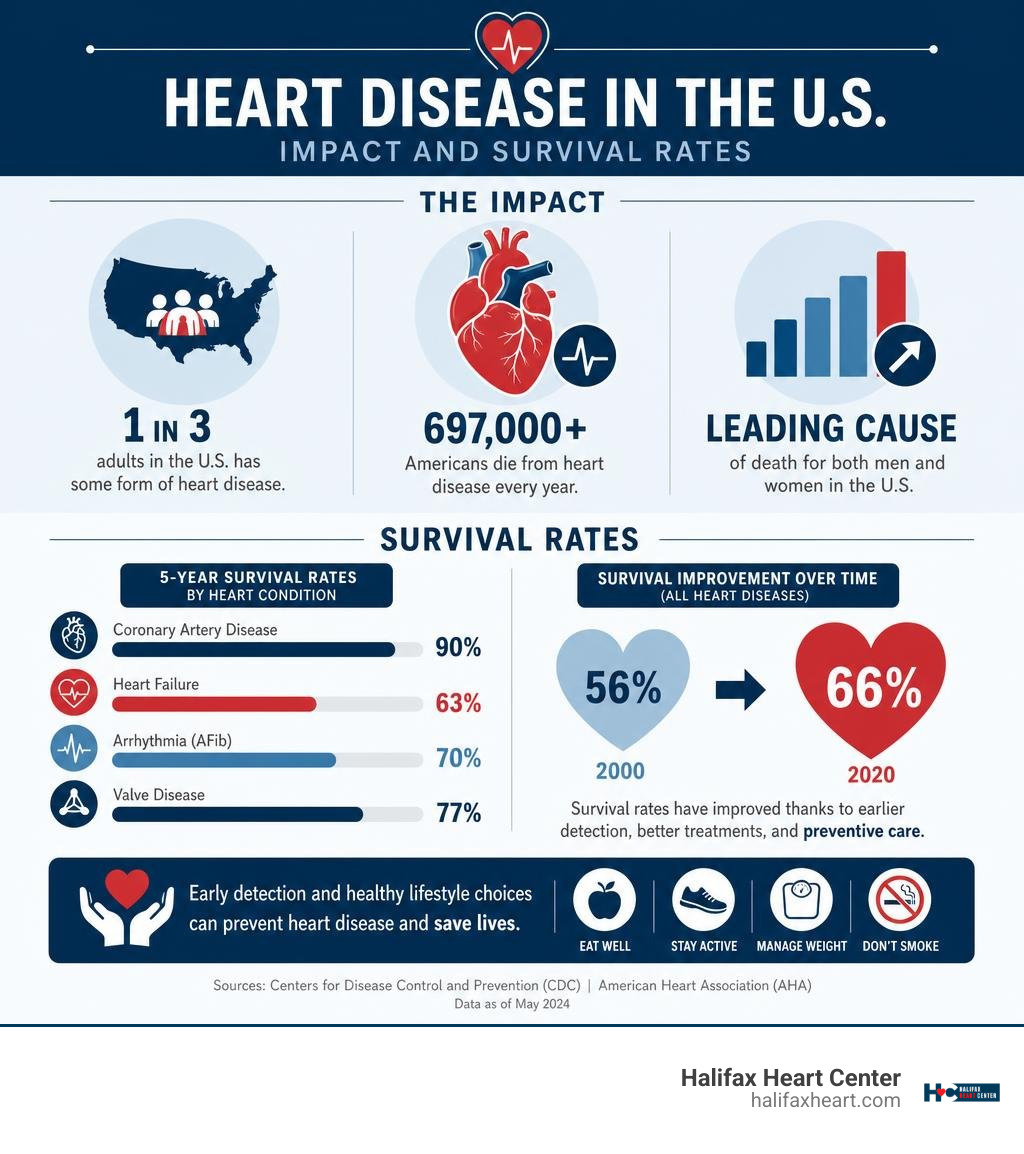
How can preventive care slow or reverse heart disease progression?
Cardiovascular disease develops over years, but proactive preventive care can slow or even help reverse its progression. According to guidelines from the American Heart Association, combining evidence-based medical treatments with practical daily choices can protect your blood vessels and heart muscle:
- Optimize Blood Pressure & Cholesterol: Taking prescribed medications alongside diet changes stabilizes vascular plaque and reduces strain on the heart.
- Eat a Balanced Diet: Focus on high-fiber foods, lean proteins, and low-sodium meals to control fluid balance and blood pressure.
- Stay Physically Active: Engaging in moderate aerobic exercise (such as walking 30 minutes daily) strengthens heart tissue and aids weight management.
- Avoid Tobacco: Quitting smoking instantly stops active chemical damage to blood vessel linings.
Small, consistent adjustments combined with regular physician oversight yield major long-term benefits for your vascular system.
Conclusion
Local access to expert heart care is vital for maintaining long-term wellness. South Boston cardiology specialists provide the diagnostic capabilities, advanced management, and personal attention you need right here in Halifax County.
At Halifax Heart Center, our team works closely with you and your primary physician to protect your heart health. Whether you need routine risk screenings, long-term monitoring for heart failure or AFib, or specialized device care, we are here to support you every step of the way. Contact us today to schedule a heart evaluation and personalized treatment plan.