
Understanding Cardiovascular Conditions and Risk Factors in Halifax County
Heart health in Halifax County presents unique considerations. Patients in rural Southside Virginia often navigate specific geographic and lifestyle challenges that impact cardiovascular wellness. Knowing what types of heart conditions commonly affect our friends and neighbors is the first step toward getting effective South Boston heart disease treatment.
Cardiovascular issues range from subtle rhythm changes to chronic conditions requiring structured medical oversight. The most frequently treated heart conditions in our community include:
- Coronary Artery Disease (CAD): Occurs when blood vessels supplying the heart muscle become narrowed or hardened by plaque buildup over time.
- Heart Failure: A chronic condition where the heart muscle doesn’t pump blood as efficiently as it should, leading to fluid retention and tiredness.
- Atrial Fibrillation (AFib): An irregular, often rapid heart rhythm that can lead to poor blood flow and significantly increases stroke risk.
- Hypertension (High Blood Pressure): Frequently called the “silent killer,” this puts continuous strain on your arteries and heart muscle.
- Valvular Heart Disease: Structural issues affecting one or more of the heart’s four valves, impeding smooth blood flow.
Evaluating Risk Factors in Southside Virginia
Why are heart conditions so prevalent in Halifax County? The answer lies in a mix of biology, daily habits, and rural health dynamics.
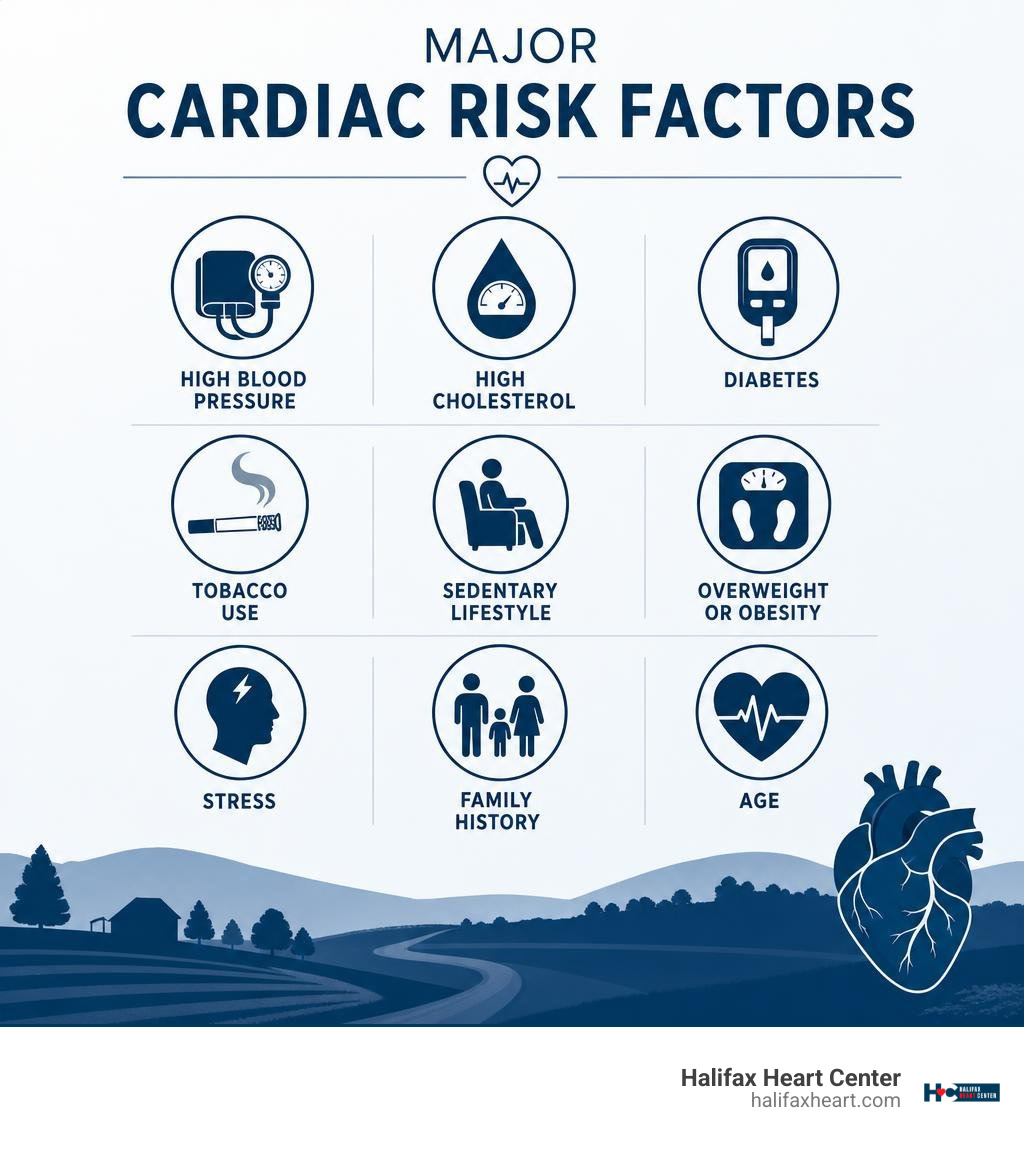
Many families across Southside Virginia share inherited genetic predispositions to cardiovascular disease. However, daily lifestyle factors play an equally large role:
- Family History: A history of early heart attacks or heart disease in parents or siblings dramatically increases your personal baseline risk.
- Tobacco Use: Smoking or tobacco use damages blood vessel linings, accelerates plaque formation, and restricts oxygen flow.
- Sedentary Lifestyle: A lack of consistent physical activity contributes directly to weight gain, high cholesterol, and elevated blood pressure.
- Uncontrolled Diabetes and High Cholesterol: Excess circulating blood sugar and saturated fats damage arterial walls, encouraging blockage development.
Early detection through preventive screening remains the most effective tool to prevent these risk factors from turning into serious health events.
Advanced Options for South Boston Heart Disease Treatment
Managing cardiovascular health requires accurate diagnostic capabilities paired with modern therapies. At Halifax Heart Center, located conveniently at 2232 Wilborn Ave Suite A in South Boston, VA, we offer comprehensive evaluation methods so patients receive actionable answers without unnecessary travel.
Discover our full range of expert Heart Services designed to keep your heart healthy.
| Diagnostic Test | What It Measures | Ideal For Detecting |
|---|---|---|
| Electrocardiogram (EKG) | Electrical activity of the heart | Arrhythmias, past or present heart attacks |
| Echocardiogram | Sound waves creating live images of the heart | Valve issues, pumping strength, structural damage |
| Stress Testing | Heart performance during physical exertion | Blockages in coronary arteries (ischemia) |
| Holter / Rhythm Monitoring | Continuous electrical recording (24 hrs – weeks) | Intermittent palpitations, hidden AFib episodes |
Modern Therapies for South Boston Heart Disease Treatment
Effective South Boston heart disease treatment spans everything from conservative non-invasive management to advanced procedural interventions. Depending on your diagnosis, your care plan may involve targeted prescription medications to lower blood pressure, reduce cholesterol, or regulate heart rhythm.
To learn more about treating clogged arteries, check out our guide on Coronary Artery Disease Treatment: From Lifestyle Tweaks to Modern Medicine.
For conditions requiring procedural management, advanced options include:
- Cardiac Catheterization & Angiograms: Diagnostic and therapeutic procedures using thin tubes to visualize coronary arteries and assess internal pressure directly.
- Cardioversion: Restoring a normal heart rhythm in patients suffering from AFib using specialized electrical or pharmacological approaches.
- Pacemaker & ICD Management: Implantation monitoring and routine check-ups for devices that regulate slow heartbeats or protect against lethal arrhythmias.
Local Access to South Boston Heart Disease Treatment
Living in a rural area shouldn’t mean compromising on specialized healthcare. Delaying cardiac evaluation because of long drives to distant cities can allow conditions like coronary artery disease or heart failure to worsen unnecessarily.
For a deeper dive into maintaining heart wellness in our community, read The South Boston Guide to Coronary Artery Care and Happy Hearts. Local clinic access ensures rapid scheduling, timely diagnostic workups, and ongoing maintenance right in your backyard.
Choosing the Right Heart Specialist and Coordinated Care

When selecting a cardiologist, patient feedback, years of clinical practice, and direct community roots matter. In South Boston, VA, there are 4 cardiology specialists practicing locally, maintaining an outstanding overall average patient rating of 4.9 stars.
Our leading specialist, Dr. Said Iskandar, brings over 20 years of dedicated cardiology experience to Southside Virginia patients. Rated 4.7 out of 5 stars based on patient reviews on Healthgrades, Dr. Iskandar combines seasoned medical expertise with a compassionate, patient-centered approach. Supported by over 20 years of practice history and more than 100 happy patients served locally, our team at Halifax Heart Center delivers exceptional specialist care.
Get helpful insights on selecting your cardiac specialist in our article on how to Choose Cardiologist in South Boston VA.
Seamless Primary Care and Specialist Coordination
Cardiology care doesn’t happen in a vacuum. Effective long-term South Boston heart disease treatment requires close coordination between your primary care provider (PCP) and your heart specialist.
When you establish care with us, we ensure your PCP receives complete diagnostic reports, medication updates, and clear treatment plans. This unified communication loop keeps your entire healthcare team aligned, whether you are adjusting blood pressure medications or recovering from a cardiac procedure.
What to Expect During a Comprehensive Cardiology Evaluation
If you’ve never visited a heart specialist before, feeling a little anxious is completely normal. We make the evaluation process simple, supportive, and completely transparent from the minute you walk into our clinic.
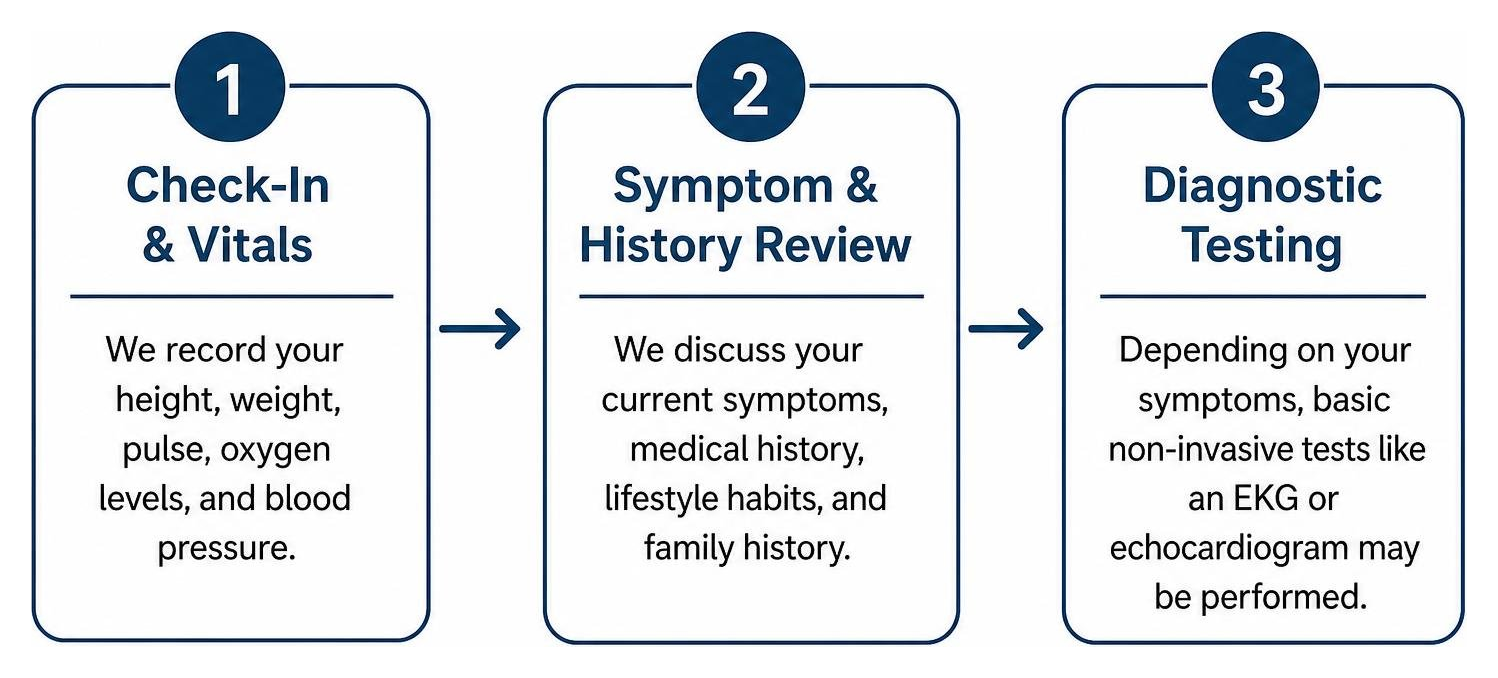
Here is how your typical visit unfolds:
- Check-In & Vitals: Our clinical staff welcomes you, records your height, weight, pulse, oxygen levels, and takes an accurate blood pressure reading.
- Symptom & History Review: We sit down with you to thoroughly discuss your current symptoms, medical history, lifestyle habits, and family history.
- Diagnostic Testing: Depending on your symptoms, basic non-invasive tests like an EKG or echocardiogram may be performed right during your appointment.
- Personalized Care Plan: Dr. Iskandar reviews test results with you in plain language, explaining treatment choices and answering all your questions.
- Follow-Up & Monitoring: We schedule any secondary testing needed and set up remote patient monitoring (RPM) if tracking daily weight or blood pressure from home is recommended.
For more details on finding local specialists, visit our resource on Cardiologist Near Me South Boston VA.
Key Symptoms Warranting Immediate Heart Evaluation
You shouldn’t wait for routine check-ups if your body is sending warning signals. You should request a prompt cardiology evaluation if you experience:
- Unexplained chest pain, tightness, or pressure
- Shortness of breath during normal daily activities or while resting
- Heart palpitations, fluttering, or feeling like your heart is racing
- Dizziness, lightheadedness, or sudden fainting spells
- Unexplained leg swelling or sudden, extreme fatigue
Note: If chest pain is sudden, severe, or accompanied by sweating, arm pain, or nausea, call 911 or go to the nearest emergency room immediately.
Preventive Heart Care and Community Resources in Halifax County

While advanced treatments are vital, preventing heart disease before it progresses is always the primary goal. Small, consistent lifestyle tweaks can yield immense long-term benefits for your cardiovascular system:
- Blood Pressure Management: Aim for consistent readings below 120/80 mmHg through reduced sodium intake and regular monitoring.
- Cholesterol Control: Focus on diets rich in soluble fiber and lean proteins while restricting saturated fats and trans fats.
- Diabetes Support: Keep blood glucose levels regulated through balanced meal planning and active communication with your care providers.
- Physical Activity: Target at least 150 minutes of moderate aerobic exercise (like brisk walking) each week, following guidance from the American Heart Association.
Taking advantage of local walking trails, community wellness initiatives, and educational resources in Halifax County empowers you to build heart-healthy habits right where you live.
Frequently Asked Questions About Local Cardiac Care
When should you see a cardiologist in South Boston?
You should schedule a visit with a cardiologist if you develop symptoms such as persistent chest discomfort, shortness of breath, sudden dizziness, or unusual heart palpitations. Additionally, if you have multiple risk factors — such as long-term high blood pressure, high cholesterol, diabetes, or a strong family history of heart attacks — a specialized evaluation is recommended even before severe symptoms appear.
Is heart disease hereditary, and can it be prevented?
Yes, genetics play a real role in your baseline risk for heart disease. However, having a family history does not mean heart disease is inevitable. Adopting a nutritious diet low in sodium and saturated fats, exercising regularly, avoiding tobacco products, and maintaining control over chronic health conditions can significantly reduce your risk.
What diagnostic heart tests are performed locally?
At Halifax Heart Center in South Boston, VA, we perform a wide range of non-invasive and interventional diagnostic testing on-site. This includes standard 12-lead EKGs, echocardiograms (ultrasound imaging of the heart), stress testing, Holter and rhythm monitoring, angiograms, and cardiac catheterization procedures.
Conclusion: Prioritizing Your Heart Health Close to Home
Managing your cardiovascular wellness doesn’t require traveling long distances or navigating massive metropolitan healthcare systems. Advanced, highly rated South Boston heart disease treatment is available right here in Halifax County.
With over 20 years of specialized clinical experience, Dr. Said Iskandar and the dedicated team at Halifax Heart Center provide compassionate, expert care tailored to your unique lifestyle and health needs. Whether you need routine preventive screening, advanced diagnostic testing, or long-term management for conditions like coronary artery disease or heart failure, we are here to support your journey.
Take the first step toward a healthier heart today. Learn more about our comprehensive approach to Heart Disease Diagnosis & Treatment or call our South Boston office to schedule your consultation.