
Navigating Your Coronary Heart Disease Treatment Options
Overview of Coronary Heart Disease Treatment Options
Understanding coronary heart disease treatment options begins with recognizing that coronary artery disease (CAD) exists on a broad spectrum. At its core, the condition occurs when plaque—a sticky buildup of cholesterol, fat, calcium, and cellular waste—accumulates inside the arteries that supply blood to your heart. Over time, this process (known as atherosclerosis) narrows the vessels, reducing oxygen-rich blood flow to the heart muscle.
When evaluating Coronary Heart Disease – Treatment Guidelines, the overarching goal of care is twofold: manage symptoms like chest pain (angina) and shortness of breath, while simultaneously preventing life-threatening events like heart attacks or heart failure. There is no single “magic pill” or single surgery that cures CAD permanently, but optimal therapy tailored to your unique health profile can keep plaque stable, keep blood flowing, and protect your long-term vitality.
At Halifax Heart Center, we emphasize individualized care. The human heart beats approximately 100,000 times per day, meaning even slight improvements in blood flow or reductions in arterial strain pay massive dividends over a lifetime.
Medical Therapies vs Invasive Procedures
When comparing coronary heart disease treatment options, therapies generally fall into two broad buckets: medical management and invasive revascularization.
Medical therapy forms the absolute foundation of all heart care. It combines prescription medications with aggressive risk factor control to lower cholesterol, reduce blood pressure, slow disease progression, and stabilize arterial plaque so it doesn’t rupture. Every patient diagnosed with CAD requires medical therapy, regardless of whether they ever step foot into an operating room.
Invasive procedures, on the other hand, physically address severe, localized blockages to restore mechanical blood flow. These include percutaneous coronary intervention (PCI), commonly known as angioplasty with stenting, and coronary artery bypass grafting (CABG). Invasive care is reserved for severe blockages, active heart attacks, or cases where medical therapy alone fails to control crushing angina.
Before deciding on an interventional procedure versus conservative medical care, our team utilizes modern Diagnostic Heart Testing right here in South Boston, VA, including nuclear stress tests, echocardiograms, and CT coronary angiograms, to precise map out your arterial health.
Stable CAD vs Acute Coronary Syndrome
How cardiologists approach coronary heart disease treatment options depends heavily on whether your condition is classified as Stable Chronic Coronary Disease or Acute Coronary Syndrome (ACS).
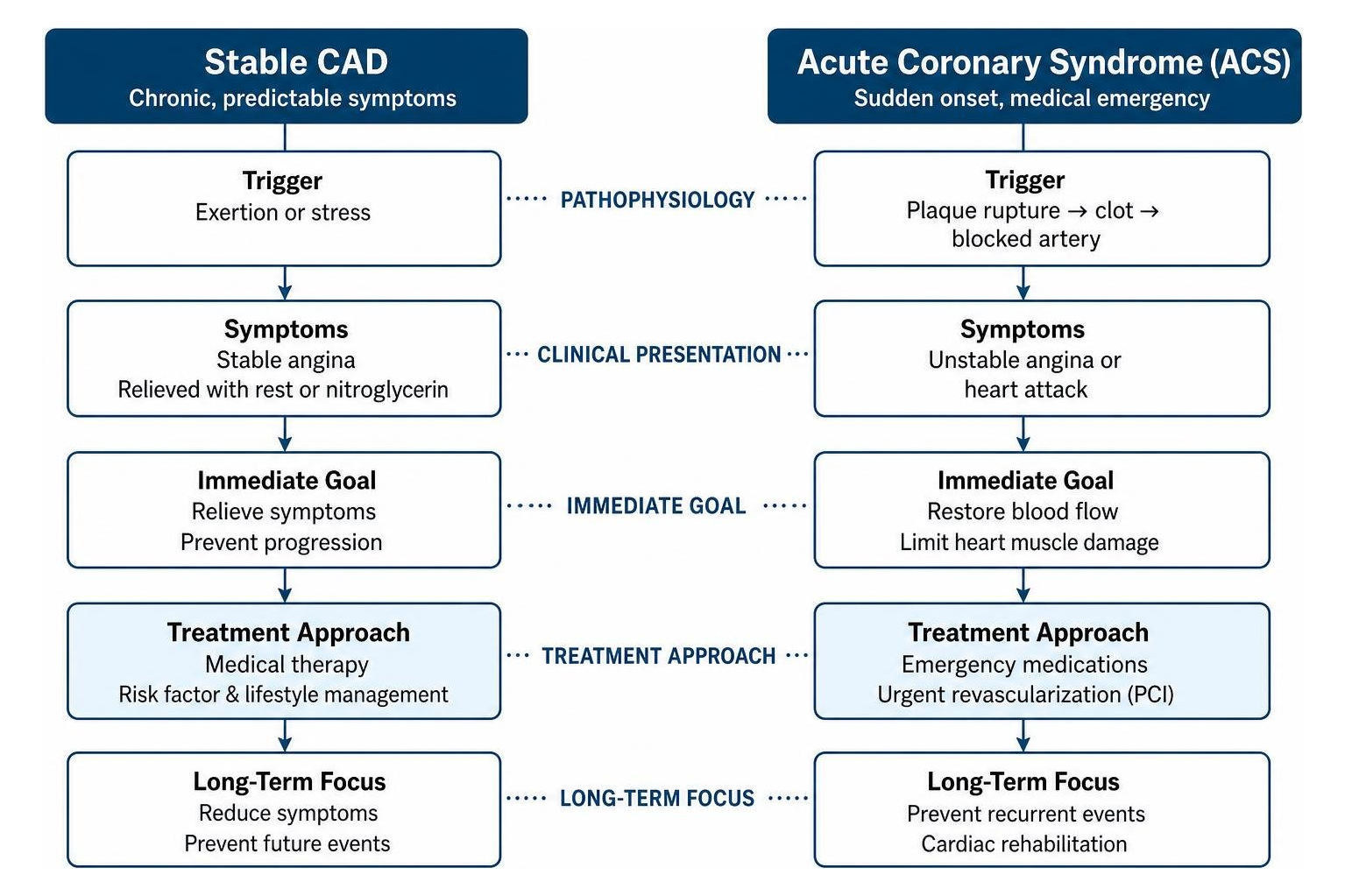
- Stable Coronary Artery Disease: In stable CAD, arterial blockages develop gradually over many years. Patients typically experience stable angina—predictable chest discomfort or tightness that occurs during physical exertion or emotional stress and goes away with rest or a quick dose of sublingual nitroglycerin. Treatment focuses on long-term medical therapy, risk reduction, and lifestyle tweaks. In fact, a major landmark trial in 2007 demonstrated that for stable CAD, optimal medical therapy is just as effective as invasive PCI stenting at preventing overall mortality and nonfatal heart attacks.
- Acute Coronary Syndrome (ACS): ACS represents a medical emergency, encompassing unstable angina and active myocardial infarction (heart attack). This happens when a plaque suddenly ruptures, triggering a blood clot that rapidly shuts off blood supply to the heart muscle. Immediate emergency care is critical—treatments work best when administered within 30 minutes of symptom onset. Emergency protocols include rapid blood thinners, clot-busting medications, and urgent balloon angioplasty with stenting to open the blocked artery immediately.
To learn more about navigating these distinct clinical stages, read our detailed guide on Coronary Artery Disease Treatment.
Lifestyle Modifications and Risk Factor Management

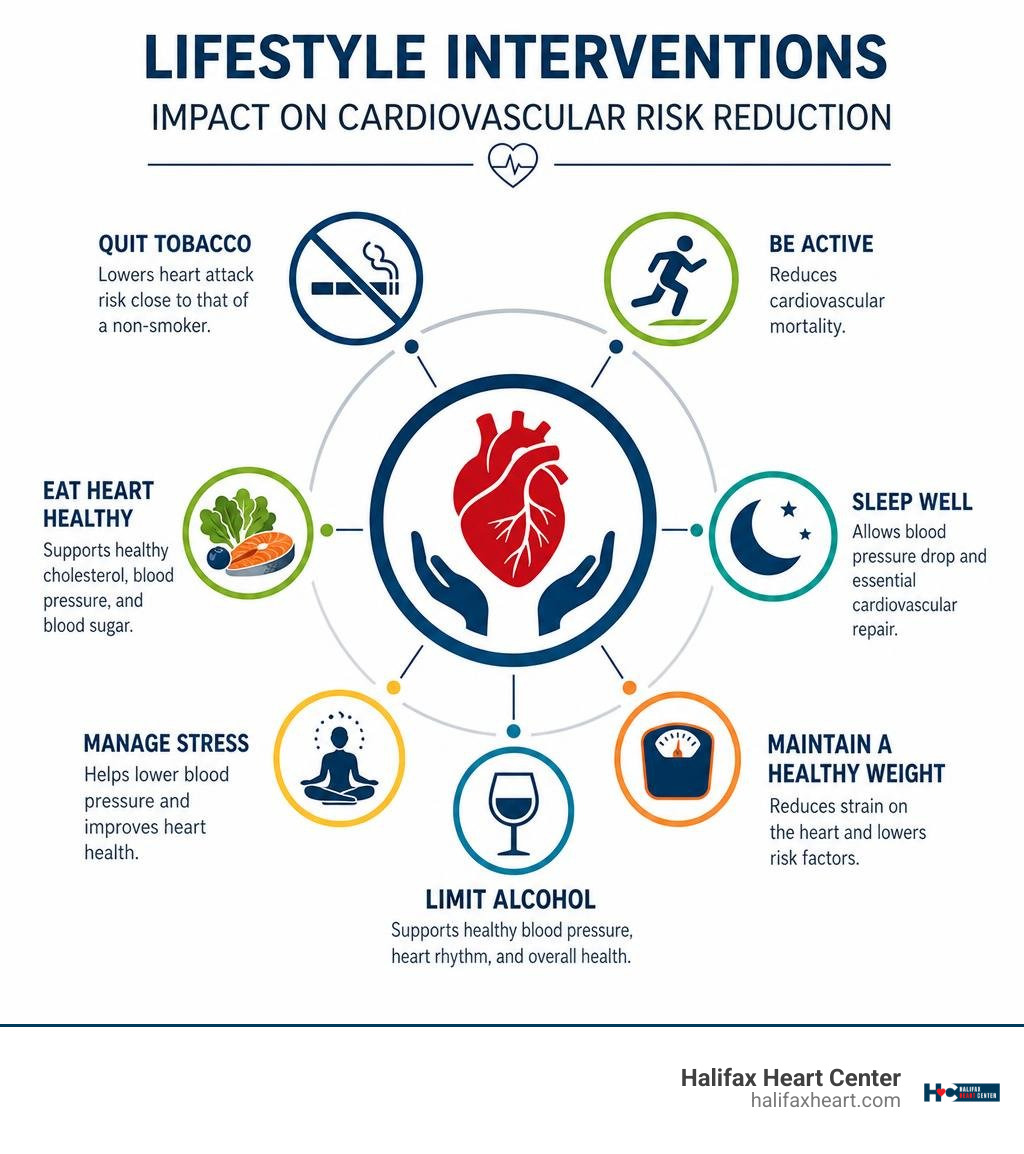
No prescription drug or surgical stent can replace the profound benefits of daily lifestyle modifications. Controlling controllable risk factors is the single most effective way to slow plaque growth and prevent future heart events.
| Lifestyle Factor | Target Goal | Clinical Impact |
|---|---|---|
| Smoking Cessation | Complete tobacco & vaping termination | Rapidly lowers heart attack risk close to that of a non-smoker |
| Physical Activity | 30–60 mins/day, 5–7 days/week | Reduces cardiovascular mortality by up to 26% |
| Sleep Hygiene | 7–9 hours of uninterrupted sleep daily | Allows blood pressure drop and essential cardiovascular repair |
| Dietary Pattern | DASH or Mediterranean framework | Significantly lowers LDL cholesterol and systemic inflammation |
| Stress Control | Regular relaxation & mental wellness | Reduces surges in adrenaline and cortisol that strain arteries |
Evaluating Coronary Heart Disease Treatment Options for Diet and Exercise
When considering lifestyle-focused coronary heart disease treatment options, nutrition and movement sit at the top of the list.
For nutrition, evidence strongly favors structured eating plans like the Dietary Approaches to Stop Hypertension (DASH) diet or the Mediterranean diet. These frameworks prioritize whole grains, lean proteins, vegetables, fruits, legumes, and healthy monounsaturated fats (like olive oil) while strictly limiting sodium, refined sugars, saturated fats, and trans fats. Studies demonstrate that controlling cholesterol with medication alone is insufficient—if patients continue eating an unhealthy diet, their rates of heart attack, stroke, and cardiovascular death remain strikingly elevated despite good drug numbers.
Exercise acts as natural medicine for your blood vessels. Engaging in 30 to 60 minutes of moderate-intensity aerobic exercise—such as brisk walking, cycling, or swimming—five to seven days a week helps lower blood pressure, improves insulin sensitivity, elevates high-density lipoprotein (HDL “good”) cholesterol, and helps maintain a healthy weight.
Do not overlook sleep hygiene and stress management. Adults require 7 to 9 hours of quality sleep per night to allow the body time to repair blood vessels and reset autonomic nerve tone. Chronic stress and anxiety keep blood pressure high and accelerate arterial inflammation; incorporating daily mindfulness, walking in nature, or light yoga can provide measurable cardiac protection.
Managing Cholesterol, Blood Pressure, and Diabetes
Managing underlying metabolic risk factors forms a cornerstone of modern cardiology guidelines.
- Cholesterol Targets: High levels of low-density lipoprotein (LDL) cholesterol drift into the inner linings of your coronary arteries, starting the plaque cascade. High-intensity statin therapy lowers LDL production in the liver. For high-risk individuals, current targets aim to drive LDL well below traditional thresholds, often aiming for LDL levels under 70 mg/dL or even 55 mg/dL.
- Blood Pressure Targets: Even mild blood pressure elevations above 130/80 mmHg cause cumulative damage because the heart beats 100,000 times a day against that heightened resistance. In a large randomized trial, older adults with cardiovascular disease who were managed to an intensive systolic blood pressure target of 120 mmHg experienced significantly less all-cause mortality and heart failure compared to a standard target of 140 mmHg.
- Diabetes Management: High blood sugar damages the fragile endothelial lining of blood vessels, accelerating CAD. Modern management has evolved remarkably thanks to groundbreaking pharmaceutical classes highlight in the 2023 AHA/ACC Management Guidelines:
- SGLT2 Inhibitors (e.g., empagliflozin): Help the kidneys flush out extra glucose and fluid, reducing heart strain.
- GLP-1 Receptor Agonists (e.g., semaglutide, liraglutide): Promote weight loss, improve glycemic control, and reduce vascular inflammation.
- Large clinical trials in high-risk heart disease patients with diabetes showed these drugs decreased cardiovascular deaths significantly (Number Needed to Treat = 43 to 71 over 2 to 3 years). Today, guidelines recommend them for select CAD patients even if they do not have type 2 diabetes.
Medications for Heart Disease and Symptom Control
Medications are designed to perform two crucial jobs: relieve day-to-day symptoms like chest tightness and lower the risk of future heart attacks. To see how these treatments fit into our full practice offerings, explore our Heart Services.
Antiplatelet and Cholesterol-Lowering Drugs
Antiplatelet medications keep blood cells (platelets) from clumping together and forming deadly clots inside narrowed arteries.
- Aspirin Therapy: A daily low-dose aspirin (75 mg to 100 mg, typically 81 mg in the U.S.) remains a foundational pillar for diagnosed CAD. In patients with stable CAD, daily aspirin significantly reduces serious vascular events (36 fewer events per 1,000 people over two years). Note: Always consult a doctor before starting aspirin, as it carries risks of stomach and intestinal bleeding.
- P2Y12 Inhibitors: Drugs like clopidogrel, ticagrelor, or prasugrel are prescribed alongside aspirin (Dual Antiplatelet Therapy, or DAPT) following stent placement or acute heart attack events to prevent stent blood clots.
Cholesterol-lowering medications actively clear lipids from the bloodstream and stabilize plaque linings so they don’t break open:
- Statins: Medications such as atorvastatin and rosuvastatin slow cholesterol production in the liver. High-intensity statin therapy reduces the risk of major cardiovascular events, revascularization procedures, and strokes by 20%. Interestingly, statins also reduce arterial inflammation and help keep blood vessels open even in patients who start with relatively normal cholesterol levels!
- Ezetimibe: A non-statin daily pill that blocks cholesterol absorption in the small intestine, often added if statins alone don’t reach target LDL goals.
- PCSK9 Inhibitors: Biologic therapies (like evolocumab or alirocumab) injected under the skin every 2 to 4 weeks. They dramatically lower LDL levels in patients with resistant hereditary high cholesterol or severe CAD.
For additional depth on pharmacological evidence, check out the comprehensive Mayo Clinic CAD Treatment Guide.
Blood Pressure, Nitrates, and Anti-Inflammatories
Symptom management and blood pressure reduction rely on several trusted classes:
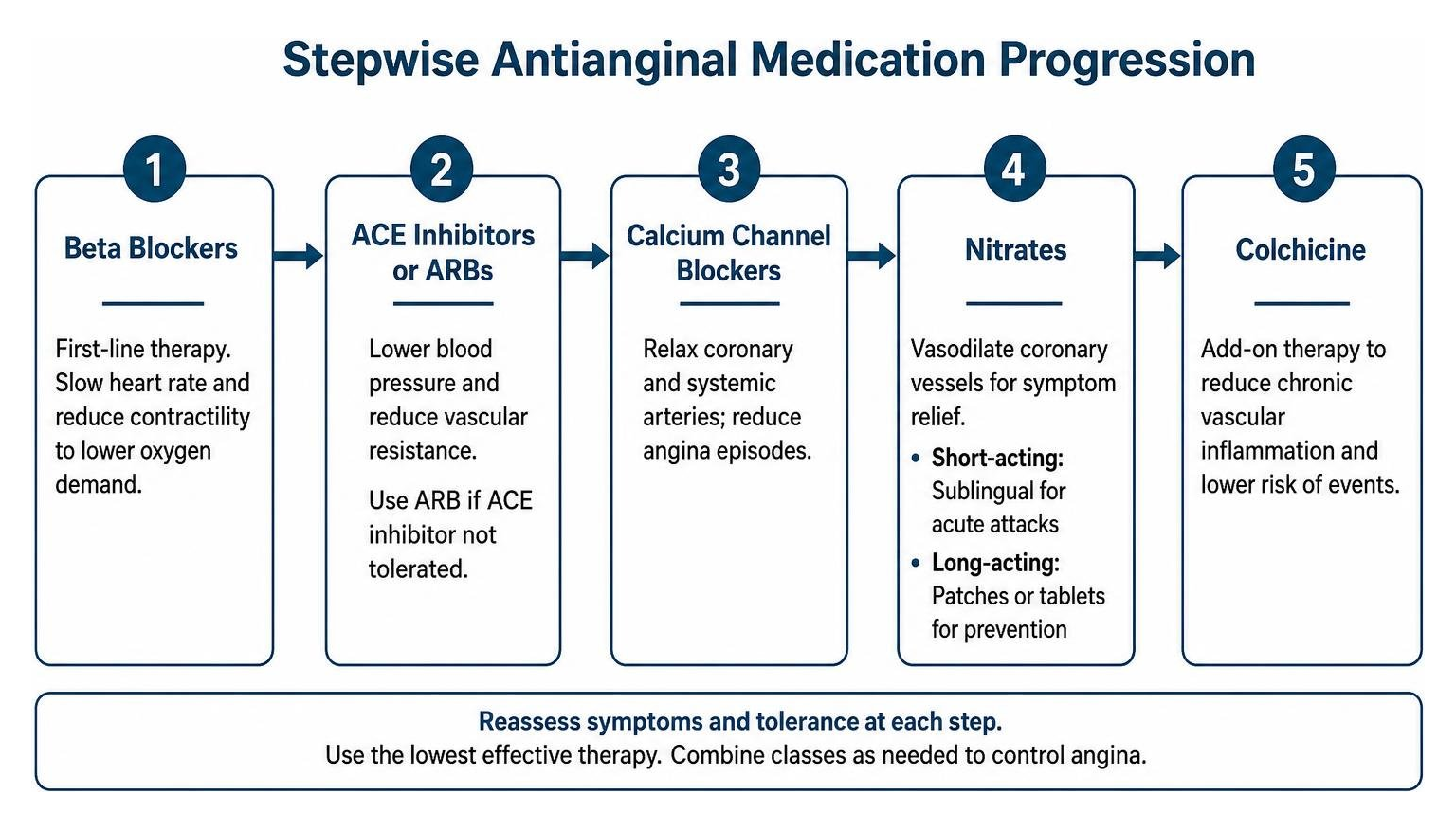
- Beta Blockers: Drugs like bisoprolol, metoprolol, and atenolol slow down your heart rate and reduce the force of contraction. This reduces the heart’s workload and oxygen demand, serving as a primary defense against exertional angina. Note on 2023 Guidelines: While historically given to everyone, recent guidelines highlight that long-term beta-blockers are no longer routinely necessary for stable CAD patients unless they had a heart attack within the past year or have heart failure (left ventricular ejection fraction ≤50%).
- ACE Inhibitors & ARBs: Angiotensin-converting enzyme (ACE) inhibitors (like ramipril or lisinopril) relax blood vessels and lower blood pressure. If an ACE inhibitor causes a persistent dry cough, doctors switch patients to Angiotensin-2 Receptor Blockers (ARBs) like losartan or valsartan, which work similarly without the cough side effect. (Fewer than 1 in 100 people experience kidney supply complications on ACE inhibitors, but routine blood monitoring is standard practice).
- Calcium Channel Blockers: Medications like amlodipine, diltiazem, or verapamil relax coronary arteries and lower systemic pressure. A meta-analysis of 100 clinical trials showed long-acting calcium channel blockers reduce angina episodes by 18%.
- Nitrates: Nitroglycerin relaxes and dilates coronary blood vessels rapidly. Sublingual tablets or sprays provide quick relief during acute angina attacks, while long-acting nitrate patches or tablets help prevent daily chest discomfort.
- Colchicine: A novel anti-inflammatory therapy. Originally a gout treatment, low-dose colchicine is now recognized in cardiovascular guidelines to calm chronic vascular inflammation linked to plaque rupture.
Interventional Procedures and Surgical Options
When medications and lifestyle changes are not enough to manage severe chest pain, or when diagnostic testing reveals dangerous blockages, interventional revascularization procedures become necessary to physically reopen blood pathways.

Percutaneous Coronary Intervention (PCI) and Stenting
Percutaneous Coronary Intervention (PCI), also known as coronary angioplasty, is a minimally invasive catheter-based procedure.
During PCI, a interventional cardiologist threads a thin, flexible catheter tube through an artery—most commonly through the wrist (radial access) or groin (femoral access)—up into the clogged heart artery. Once positioned, a tiny balloon is inflated to push the fatty plaque back against the arterial wall.
To keep the vessel from collapsing or springing back, the doctor deploys a small, expandable wire mesh tube called a stent. Most modern stents are drug-eluting stents, meaning they are coated with time-release medication that prevents scar tissue from forming and re-narrowing the artery over time.
- Recovery Timeline: PCI is minimally invasive. Most patients go home either the same day or after an overnight stay, and full recovery typically occurs within one week.
- Risks: Though very safe, potential risks include access-site bleeding or bruising, rare damage to the blood vessel, kidney contrast reaction, or sudden re-clotting inside the stent (which is why taking your prescribed antiplatelet medication is vital).
For a detailed regional perspective on interventional approaches, view the NHS CHD Treatment Overview.
Coronary Artery Bypass Grafting (CABG)
Coronary Artery Bypass Grafting (CABG)—frequently called open-heart bypass surgery—is a major surgical procedure recommended when blockages are widespread or located in critical junction points.
Instead of clearing the clogged pipe from the inside, a cardiac surgeon takes a healthy donor blood vessel from another part of your body (such as the internal mammary artery inside the chest wall or a saphenous vein from the leg) and grafts it above and below the blocked heart artery. This creates a brand-new detour route for oxygen-rich blood to bypass the blockage completely!
Some surgeries are performed using a heart-lung bypass machine, while others are done “off-pump” (OPCAB) on a beating heart.
- When is CABG chosen over PCI? CABG is strongly preferred for patients with severe multivessel CAD, left main coronary artery disease, or patients who have both CAD and diabetes. A meta-analysis of six major trials comparing CABG to PCI in multivessel disease revealed significant reductions in all-cause mortality (NNT = 37 over 4 years) and recurrent heart attacks (NNT = 26 over 4 years) favoring CABG.
- Recovery Timeline: Recovery requires 5 to 7 days in the hospital, followed by 6 to 12 weeks of structured home recovery and physical rehabilitation.
- Risks: Major surgical risks include bleeding, wound infection, arrhythmias (like atrial fibrillation), temporary cognitive sluggishness, or stroke.
For an extensive deep-dive into surgical bypass and heart failure recovery, read Congestive Heart Failure & Coronary Artery Bypass Surgery.
Rehabilitation, Complementary Care, and Long-Term Outlook

Navigating CAD doesn’t end when you are discharged from the hospital or finish a prescription bottle. Long-term management requires continuous recovery habits, emotional wellness, and ongoing medical partnership.
Understanding Coronary Heart Disease Treatment Options in Cardiac Rehabilitation
If you have experienced a heart attack, heart failure, angioplasty, or bypass surgery, enrolling in a formal Cardiac Rehabilitation program is one of the most powerful decisions you can make.
Cardiac rehab is a medically supervised, 12-to-36-session outpatient program that combines three essential pillars:
- Monitored Exercise Training: Customized physical workouts tailored to your current exertion tolerance while heart rhythm and blood pressure are continuously tracked.
- Heart Health Education: Guidance on nutrition, managing cholesterol, managing blood pressure, and managing diabetes.
- Counseling & Mental Health Support: Emotional processing to ease post-cardiac anxiety, depression, and stress. Receiving a CAD diagnosis is emotionally heavy—it is completely normal to feel vulnerable, but professional support makes recovery far smoother.
The Survival Benefit: Participating in cardiac rehabilitation lowers your overall chance of dying after a heart attack or cardiac surgery by one-third (33%).
To read more about localized recovery support, review The South Boston Guide to Coronary Artery Care.
Alternative Therapies and Prognosis
Patients frequently ask about natural supplements like omega-3 fish oil, flaxseed, garlic pills, or plant sterols.
- What Evidence Shows: While a diet naturally rich in omega-3 fatty acids (from fish like salmon) is wonderful for heart health, large clinical guidelines (including the 2023 ACC/AHA guidelines) emphasize that nonprescription dietary supplements (over-the-counter fish oil capsules, vitamin E, or beta carotene) show no proven clinical benefit in reducing cardiovascular events. Some high-dose supplements like beta carotene can even cause harm. Always consult your cardiologist before adding over-the-counter supplements.
Long-Term Prognosis: With modern coronary heart disease treatment options, the prognosis for CAD is brighter today than at any point in medical history. Cardiovascular mortality rates dropped by nearly 28% over recent decades thanks to earlier diagnostic testing, high-potency statins, modern drug-eluting stents, and targeted risk control. While CAD cannot be permanently “cured,” sticking faithfully to your treatment plan can effectively stop disease progression and allow you to live a long, active, fulfilling life.
Frequently Asked Questions about Coronary Heart Disease
How do doctors choose between stenting and bypass surgery?
Cardiologists and cardiac surgeons make this decision together based on the location and complexity of your arterial blockages, your overall heart function, and whether you have co-existing conditions like diabetes. Single-vessel or localized blockages are usually treated with PCI stenting due to its quick recovery. However, complex multi-vessel disease, left main artery blockages, or CAD in diabetic patients yield significantly higher long-term survival rates when treated with CABG bypass surgery.
Can lifestyle changes alone reverse coronary artery plaque?
While lifestyle changes alone rarely make large, calcified plaque deposits disappear entirely, comprehensive lifestyle modifications—aggressive DASH/Mediterranean eating, daily aerobic exercise, zero smoking, and stress reduction—can cause modest regression of soft arterial plaque and prevent new plaque from forming. More importantly, lifestyle changes make existing plaque far more stable, drastically reducing the chance that it will rupture and trigger a heart attack.
What role do new weight-loss drugs play in heart treatment?
Newer weight-loss and diabetes medications—specifically GLP-1 receptor agonists (like semaglutide) and SGLT2 inhibitors (like empagliflozin)—have revolutionized preventive cardiology. Beyond lowering blood sugar and promoting significant body weight reduction, large clinical trials prove these medications directly decrease cardiovascular deaths, nonfatal heart attacks, and heart failure hospitalizations in people with established heart disease.
Conclusion
Choosing among various coronary heart disease treatment options is not a choice you have to make alone. From daily dietary improvements and modern cholesterol-lowering medications to state-of-the-art PCI stenting or bypass surgery, effective care relies on a comprehensive, step-by-step strategy tailored specifically to you.
At Halifax Heart Center, located at 2232 Wilborn Ave Suite A in South Boston, VA, our mission is to deliver world-class, compassionate cardiovascular care to our neighbors across Halifax County and Southside Virginia. We believe that managing your heart health shouldn’t require driving hours away from home.
Take charge of your cardiovascular future today. Partner with our local heart team to evaluate your risk factors, discuss your treatment choices, and build a personalized road map toward a healthier, stronger heart.
Ready to take the next step? Learn more about our comprehensive diagnostic and treatment services by visiting Heart Disease Diagnosis & Treatment or contacting our South Boston office to schedule your consultation today.