
How Heart Disease Symptoms Differ in Women
Heart Disease Is the #1 Killer of Women — But the Warning Signs Look Different
The early signs of heart disease in females are often nothing like what you see in the movies. No dramatic chest-clutching. No sudden collapse. Instead, they show up as exhaustion after folding laundry, a vague ache in the jaw, or trouble breathing when lying down at night.
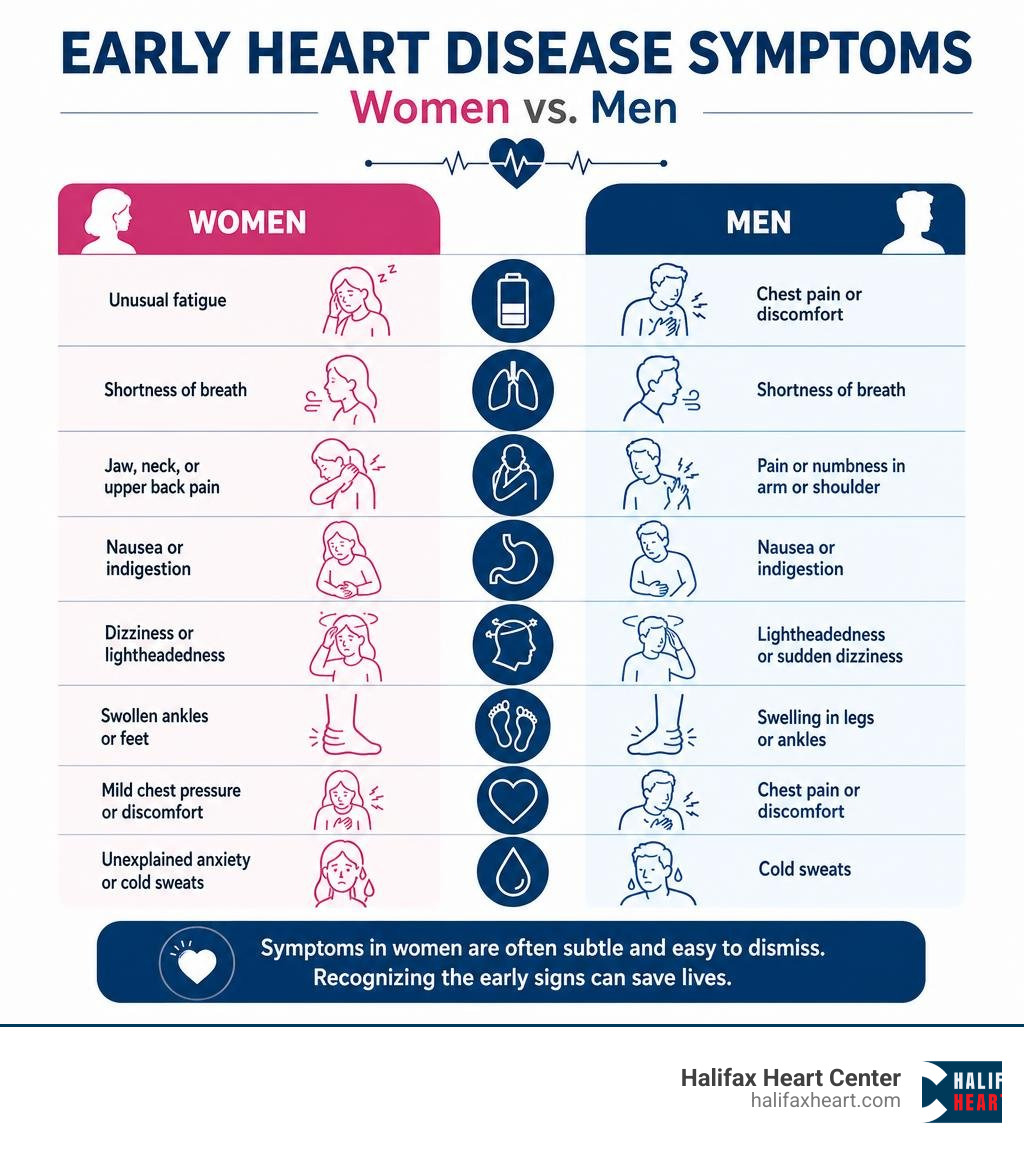
Here are the most common early warning signs to watch for:
- Unusual fatigue — feeling worn out even without exertion, sometimes weeks before a cardiac event
- Shortness of breath — during light tasks like climbing stairs or doing dishes
- Jaw, neck, or upper back pain — often mistaken for muscle strain or dental issues
- Nausea or indigestion — frequently dismissed as a stomach problem
- Dizziness or lightheadedness — especially without an obvious cause
- Swollen ankles or feet — a sign of fluid buildup linked to heart failure
- Mild chest pressure or discomfort — not always sharp or severe
- Unexplained anxiety or cold sweats — particularly when resting
These symptoms are easy to brush off. That’s the problem.
Heart disease is the leading cause of death for women in the United States, responsible for roughly 1 in every 5 female deaths. Yet only about half of women even know that. Over 60 million women — nearly 44% — are currently living with some form of it.
The gap between risk and awareness is costing lives.
At Halifax Heart Center, our cardiology team has helped patients across South Boston, Halifax County, and Southside Virginia identify the early signs of heart disease in females before they become life-threatening events. In the sections below, we’ll walk you through what to look for, why these signs are so often missed, and what you can do about it.
Early signs of heart disease in females terms simplified:
Why the Early Signs of Heart Disease in Females Are Often Overlooked
For decades, cardiovascular disease was studied primarily in men. This systemic bias in medical research created a standard definition of a “heart attack” that doesn’t always apply to the female body. Because women often experience an atypical presentation of symptoms, their warning signs are frequently misdiagnosed as panic attacks, acid reflux, stress, or normal signs of aging.
According to Scientific research on cardiovascular disease in women, women are diagnosed with heart disease significantly slower than men. This delay isn’t because women are ignoring their health; it’s because the medical system is still catching up to the physiological differences in how female hearts fail.
Patient self-advocacy is crucial. If you feel like something is wrong with your body, do not let it be swept under the rug. Knowing how your body’s cardiovascular anatomy differs from a man’s is the first step in demanding the right care.
Anatomical Differences in Female Hearts
A woman’s heart is not just a smaller version of a man’s heart. There are distinct physiological and structural differences that change how blood flows and how disease develops:
- Smaller Blood Vessels: Women have smaller coronary arteries and blood vessels than men. This makes them more vulnerable to microvascular disease (damage to the tiny blood vessels feeding the heart).
- Thinner Ventricle Walls: The chambers of a female heart have thinner walls, which affects how the heart pumps and adapts to high blood pressure.
- Fewer Red Blood Cells: Women naturally have a lower red blood cell count, which limits overall oxygen transport and means the heart has to work slightly harder to supply oxygen to tissues.
- Higher Resting Heart Rate: Because a woman’s heart is smaller, it pumps less blood with each beat. To compensate, a woman’s resting heart rate is typically higher than a man’s (often ranging between 70 to 85 beats per minute).
The Diagnostic Challenge of Smooth Plaque and INOCA
In men, coronary artery disease usually presents as a single, large, calcified blockage in a major artery. This is easily spotted on a standard coronary angiogram.
In women, plaque tends to build up differently. Instead of forming one large “bulge,” women are more likely to develop smooth plaque that distributes evenly along the entire inside wall of the blood vessels. This is known as non-obstructive coronary artery disease.
Additionally, women are far more prone to microvascular dysfunction or INOCA (Ischemia with No Obstructive Coronary Artery disease). Because the tiny blood vessels spasm or fail to dilate, the heart muscle is starved of oxygen, but a standard angiogram may look completely normal. This is why specialized diagnostic heart testing is so vital for women who continue to experience symptoms despite “normal” baseline tests.
8 Often-Overlooked Symptoms of Heart Disease in Women

Many women living with “silent” heart disease experience symptoms so subtle that they mistake them for the daily grind of life. The table below highlights the stark contrast in how these symptoms typically present between sexes:
| Symptom | Presentation in Men | Presentation in Women |
|---|---|---|
| Chest Discomfort | Sharp, crushing, “elephant-on-chest” pain | Dull pressure, squeezing, tightness, or no chest pain at all |
| Pain Location | Radiating down the left arm | Jaw, neck, throat, upper back, or upper abdomen |
| Trigger | Physical exertion (e.g., running, shoveling snow) | Emotional stress, resting, or sleeping |
| Systemic Signs | Cold sweat, sudden weakness | Extreme fatigue, nausea, lightheadedness, indigestion |
Recognizing Early Signs of Heart Disease in Females During Daily Routines
If you find yourself struggling to keep up with tasks that used to be second nature, pay attention.
- Unusual Fatigue: This is the most common prodromal (early warning) sign of a heart attack in women. It is not the normal exhaustion of a long day; it is a crushing, unexplained fatigue that makes lifting your arms or making the bed feel like climbing Mount Everest. This symptom can occur weeks or even months before a major cardiac event.
- Shortness of Breath During Daily Chores: If folding laundry, carrying groceries, or walking to the mailbox leaves you gasping for air, your heart may be struggling to pump blood efficiently.
- Breathing Difficulty When Lying Flat: If you have to prop yourself up with multiple pillows to sleep comfortably, this can indicate fluid buildup in your lungs—a classic early sign of congestive heart failure.
- Cardiac Cough: A persistent, dry cough or a cough that produces white or pink-tinted phlegm can occur when fluid backs up into the lungs due to a weakening heart.
Subtle Physical Indicators: From Eye Changes to Swollen Ankles
Sometimes, the early signs of heart disease in females show up in unexpected places:
- Xanthelasmas (Fatty Eye Growths): These are small, yellowish, raised patches of fat that develop around the eyelids. They are a physical indicator of high cholesterol levels, which directly raises your risk of arterial blockages.
- Swollen Ankles and Feet (Edema): If your shoes feel tight at the end of the day or you notice deep indentations from your socks, you may be experiencing fluid retention. When the heart cannot pump efficiently, blood backs up in the veins, forcing fluid into the surrounding tissues of your lower extremities.
- Leg Pain While Walking (Claudication): Dull cramping or aching in your calves while walking that goes away with rest is a sign of peripheral artery disease (PAD), which strongly correlates with coronary heart disease.
- Snoring and Sleep Apnea: Loud snoring or waking up gasping for air disrupts your oxygen levels, placing massive strain on your blood vessels. This is a primary driver of high blood pressure. If you are struggling with these issues, managing high blood pressure and high cholesterol early is essential to protect your blood vessels from permanent damage.
Female-Specific Risk Factors and Hormonal Influences

When assessing cardiovascular risk, we cannot look at traditional factors alone. A woman’s reproductive history, hormonal shifts, and autoimmune health play a massive role in her overall heart health.
Think of cardiovascular risk like a flat tire. Having one risk factor is like running over a single nail—you can probably drive slowly to the shop. But having multiple risk factors is like running over three or four nails; your tire will go flat incredibly fast. For women, reproductive milestones and hormonal changes often act as those extra, hidden nails.
For a comprehensive look at how these risks develop over a lifetime, you can read the Mayo Clinic guide on female heart disease.
Pregnancy Complications and Long-Term Cardiovascular Risk
Pregnancy acts as a natural “stress test” for the cardiovascular system. Complications during these nine months are not just temporary hurdles; they are early indicators of future heart trouble:
- Preeclampsia: Developing high blood pressure during pregnancy increases your lifetime risk of dying from cardiovascular disease by 75%.
- Gestational Diabetes: This condition doubles your long-term risk of developing heart disease and type 2 diabetes later in life.
- Gestational Hypertension: High blood pressure during pregnancy indicates that your blood vessels are highly sensitive to stress, requiring careful postpartum monitoring.
- Preterm Delivery: Delivering a baby before 37 weeks is linked to a higher risk of early-onset cardiovascular disease.
If you experienced any of these complications, you should not wait until your 60s to start seeing a cardiologist. Postpartum follow-up and lifestyle modifications should begin immediately after delivery to protect your vascular health.
Menopause, Estrogen Loss, and the Early Signs of Heart Disease in Females
Estrogen is a natural shield for a woman’s cardiovascular system. It helps keep blood vessels flexible, maintains healthy cholesterol ratios (higher HDL, lower LDL), and regulates blood pressure.
During menopause, estrogen levels drop sharply. This hormonal decline leads to:
- Arterial Stiffness: Blood vessels lose their elasticity, causing blood pressure to rise.
- Sodium Sensitivity: Post-menopausal women become highly sensitive to sodium, meaning dietary salt can cause sudden blood pressure spikes.
- Visceral Fat Accumulation: Weight shifts to the abdomen, which increases systemic inflammation and insulin resistance.
Other hormonal milestones, such as early menstruation (before age 11) or early menopause (before age 40), also extend the window of cardiovascular vulnerability. While hormone replacement therapy (HRT) can help manage severe menopausal symptoms, it is generally not recommended for the sole prevention of heart disease, especially in women over the age of 65, due to potential blood clot risks.
Recognizing Heart Attack and Heart Failure Symptoms in Women
When a cardiac event occurs, every second counts. However, because women’s symptoms are often non-traditional, they wait much longer than men to seek emergency care. If you suspect you or a loved one is having a heart attack, do not drive yourself to the hospital. Call 911 immediately so life-saving treatment can begin in the ambulance.
To learn more about identifying these acute events, refer to the expert guidance from Johns Hopkins Medicine on female heart attacks.
Subtle Heart Attack Signs vs. the “Hollywood” Chest Pain
The classic “Hollywood” heart attack—where someone clutches their chest and collapses—is not the reality for many women. Instead, a female heart attack is more likely to present with these subtle, non-chest symptoms:
- Upper Body Discomfort: Pain, tightness, or pressure that radiates into the jaw, neck, throat, shoulders, or upper back. This pain can feel like a dull toothache or a pulled muscle.
- Cold Sweats and Unexplained Anxiety: Sudden, profuse sweating accompanied by an overwhelming sense of dread, panic, or anxiety, even while resting.
- Nausea and Indigestion: Severe heartburn, stomach pressure, or vomiting that is easily mistaken for food poisoning or acid reflux.
- Resting Triggers: While men’s heart attacks are often triggered by heavy physical exertion, women are more likely to experience heart attacks while resting, sleeping, or during periods of intense emotional stress.
How Heart Failure Presents Differently in Women
Heart failure occurs when the heart muscle cannot pump blood as well as it should. In women, this often manifests as diastolic heart failure (also called Heart Failure with Preserved Ejection Fraction, or HFpEF).
In this form of heart failure, the heart muscle contracts normally, but the ventricle walls are too stiff to relax and fill with blood properly. Because the heart is stiff, fluid backs up into the body, leading to:
- Rapid Weight Gain: Gaining two to three pounds in a single day or over five pounds in a week, which is a sign of rapid fluid retention.
- Severe Exercise Intolerance: Feeling completely winded or exhausted after walking short distances or climbing a single flight of stairs.
- Persistent Bloating: Swelling in the abdomen, accompanied by a feeling of fullness or loss of appetite due to fluid accumulation around the digestive organs.
Frequently Asked Questions About Women’s Heart Health
What is the average age of a heart attack in females?
While the average age for a heart attack in women is 70, heart attacks in younger adults—especially women—have risen sharply. Since 2019, heart attack rates among people ages 18 to 44 have increased by more than 66%. This rise is driven by earlier onset of high blood pressure, diabetes, obesity, and chronic stress.
Additionally, younger women are susceptible to Spontaneous Coronary Artery Dissection (SCAD), a condition where a tear forms in a blood vessel in the heart. SCAD is responsible for nearly half of all heart attacks in women under the age of 55.
Why does diabetes increase heart disease risk more in women than men?
Women with diabetes are two to four times more likely to develop cardiovascular disease than men with diabetes. Diabetes alters blood vessel function, increases systemic inflammation, and promotes plaque buildup.
Crucially, diabetes can cause diabetic neuropathy (nerve damage), which alters pain perception. This means a diabetic woman is far more likely to experience a silent heart attack—one with absolutely no chest pain—making early screenings incredibly important.
What is broken heart syndrome and who does it affect?
Broken heart syndrome, scientifically known as stress-induced cardiomyopathy, is a temporary heart condition frequently triggered by intense emotional or physical stress, such as the death of a loved one, a serious accident, or sudden extreme anger.
It primarily affects post-menopausal women. During an episode, a surge of stress hormones temporarily “stuns” the heart muscle, causing symptoms that mimic a classic heart attack. While it can be frightening and requires immediate medical attention, it typically does not cause permanent heart damage, and most women make a full recovery within a few weeks.
Taking Action: Prevention and Self-Advocacy
The most empowering statistic in cardiology is this: an estimated 80% of heart disease, including heart attacks and strokes, can be prevented through lifestyle changes. It is never too early, and it is never too late, to take control of your cardiovascular health.
Here is how you can start protecting your heart today:
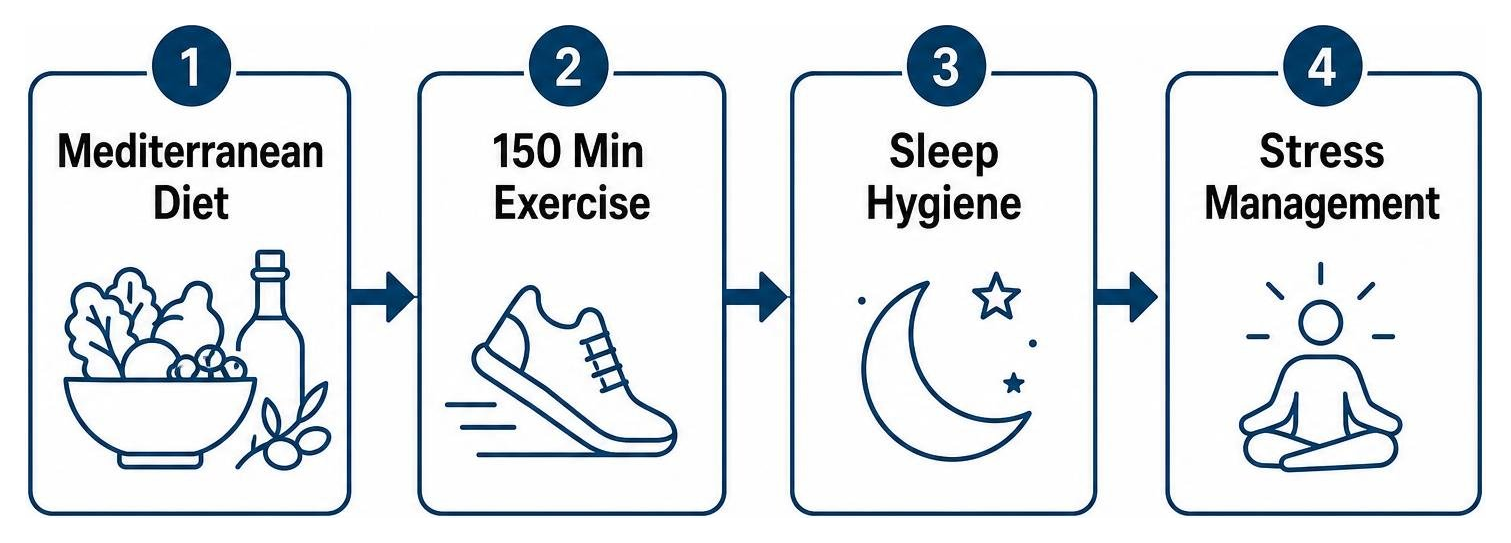
- Adopt a Mediterranean-Style Diet: Focus on whole, plant-based foods, including leafy greens, berries, nuts, seeds, whole grains, and olive oil. Limit processed sugars, sodium, and trans fats.
- Aim for 150 Minutes of Exercise Weekly: This breaks down to just 30 minutes of moderate activity, like brisk walking, five days a week. You can even break this up into 10-minute blocks throughout the day.
- Prioritize Sleep Hygiene: Aim for 7 to 9 hours of quality sleep per night. Poor sleep raises cortisol levels and increases blood pressure.
- Manage Stress: Incorporate mindfulness, deep breathing exercises, or yoga to prevent stress-induced blood vessel constriction.
- Partner with a Specialist: Schedule regular screenings to track your blood pressure, cholesterol, and blood sugar levels.
If you are looking for local, specialized care to help you navigate these preventive steps, our team offers comprehensive heart services designed to keep your heart strong.
Conclusion
At Halifax Heart Center, we believe that personalized, compassionate care is the key to fighting heart disease. You don’t have to travel far to get world-class cardiovascular care. We are proud to provide South Boston, Halifax County, and the broader Southside Virginia community with expert diagnostic testing, advanced treatments, and dedicated preventive care.
If you are experiencing any of the early signs of heart disease in females, or if you have unique risk factors like a history of pregnancy complications or family history of heart disease, do not wait.
Find a trusted cardiologist near me in South Boston, VA and take the first step toward protecting your future. Schedule a consultation with us today—because loving your heart starts with listening to it.