
The Ultimate Guide to Finding a South Boston Cardiac Center
Why Finding the Right South Boston Cardiac Center Could Save Your Life
If you’re looking for a South Boston cardiac center, here’s a quick overview of your main local options:
| Care Option | Location | Key Services |
|---|---|---|
| Halifax Heart Center | South Boston, VA | Full diagnostics, interventional procedures, prevention, and personalized care |
| Regional Hospital Emergency Care | South Boston, VA | Emergency angioplasty, acute interventional cardiology |
| General Community Health Services | South Boston, VA | Basic wellness screenings and primary care referrals |
Heart disease is the leading cause of death in the United States. Nearly one in three deaths each year is heart-related. And yet, many people in rural communities like Southside Virginia still struggle to find specialist care close to home.
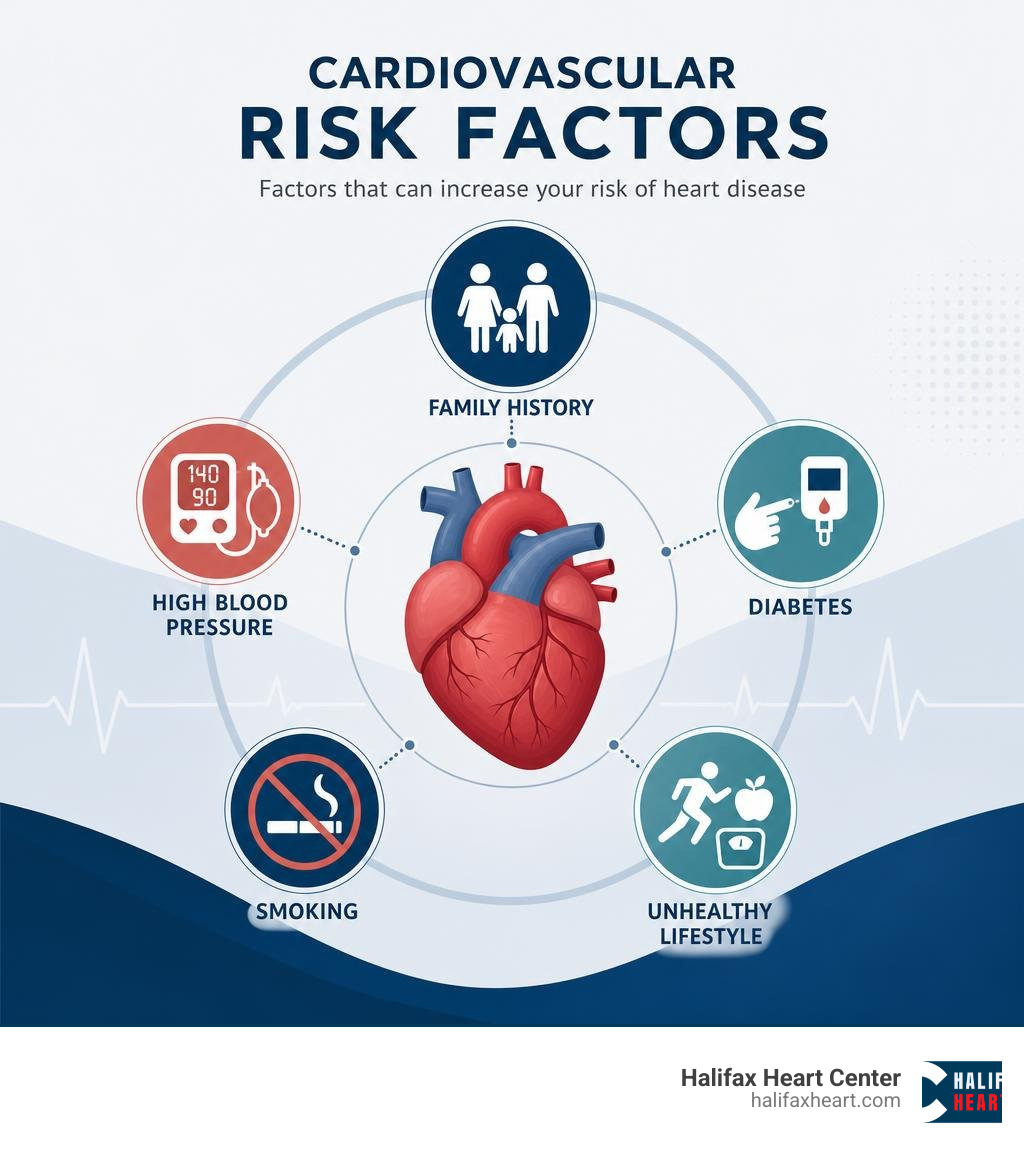
If you’ve been feeling chest pain, unusual fatigue, or an irregular heartbeat — especially with a family history of heart disease — getting to the right cardiac center quickly matters.
The good news: you don’t have to travel far.
At Halifax Heart Center, we have spent years providing compassionate, expert cardiovascular care to patients throughout South Boston, Halifax County, and the surrounding Southside Virginia communities — making us a trusted local South Boston cardiac center for prevention, diagnosis, and treatment. We’re here to help you understand your options and take the next step with confidence.
Key Types of South Boston Cardiac Center Options
When you or a loved one is dealing with a potential heart issue, navigating the healthcare landscape can feel a bit like trying to read an EKG without medical school training. Let’s break down the different kinds of cardiac care facilities available to you so you can make an informed choice.
Depending on your specific medical needs, your journey might take you to a specialized outpatient clinic, a regional medical center, or a general community health facility.
| Care Setting Type | Primary Focus | Ideal For | Care Coordination Style |
|---|---|---|---|
| Specialized Outpatient Clinics (e.g., Halifax Heart Center) | Dedicated, comprehensive cardiovascular prevention, testing, and long-term management. | Routine checkups, diagnostic testing, chronic heart disease management, and personalized care. | Direct access, close partnerships with local primary care providers (PCPs), and seamless referrals if advanced surgery is required. |
| Regional Medical Centers | Acute care, emergency interventions, and inpatient surgeries. | Heart attacks, emergency angioplasty, and complex interventional procedures. | High-intensity coordination with emergency medical services (EMS) and outpatient cardiologists for post-discharge recovery. |
| General Outpatient Facilities / Community Health Centers | General wellness, primary care, and basic specialty consultations. | Initial screenings, routine blood work, and general health maintenance. | Strict referral-based systems where specialty care is often scheduled on specific days of the week. |
No matter where you start your journey, the most important element of modern cardiology is care coordination. Your heart doesn’t operate in a vacuum, and neither should your doctors.
A high-quality South Boston cardiac center will work hand-in-hand with your primary care provider to ensure that your lifestyle modifications, prescriptions, and diagnostic results are all aligned. This integrated approach ensures that you aren’t just treating symptoms as they arise, but actively preventing major cardiovascular events before they happen.
Learn more about our heart services to see how we build a strong, supportive care network around you.
Outpatient Specialty Clinics as a South Boston Cardiac Center
Outpatient specialty clinics represent the sweet spot for the vast majority of cardiovascular patients. Unlike massive hospital complexes where you might feel like just another number in a crowded waiting room, an outpatient clinic is designed from the ground up to offer a more personal, supportive experience.
At an outpatient specialty clinic, the focus is entirely on adult patients (ages 18 and older) who require dedicated cardiovascular care. One of the greatest benefits of utilizing a local outpatient clinic is the ease of access. While some general health centers require a lengthy, multi-step referral process through an internal primary care provider before you can even speak to a specialist, private outpatient clinics often offer much more flexible scheduling options.
Further, local outpatient access means you don’t have to drive hours to a major metropolitan area just to get a routine checkup or diagnostic test. We believe that receiving world-class care shouldn’t require a road trip. By keeping specialized testing and consultations local, patients are much more likely to stay consistent with their follow-up appointments, leading to significantly better long-term health outcomes.
Regional Hospital Systems as a South Boston Cardiac Center
While outpatient clinics excel at day-to-day management and diagnostic testing, regional hospital systems are the bedrock of acute, life-saving emergency care. When a cardiac emergency strikes — such as a sudden heart attack — every second counts. Brain and heart tissue require a continuous supply of oxygenated blood, and any interruption can cause irreversible damage.
This is where regional hospital systems shine. In South Boston, Virginia, local emergency access received a massive boost as local hospital facilities resumed interventional cardiology services. This crucial update brought advanced, life-saving cardiac procedures back to Halifax County and the broader Southern Virginia region.
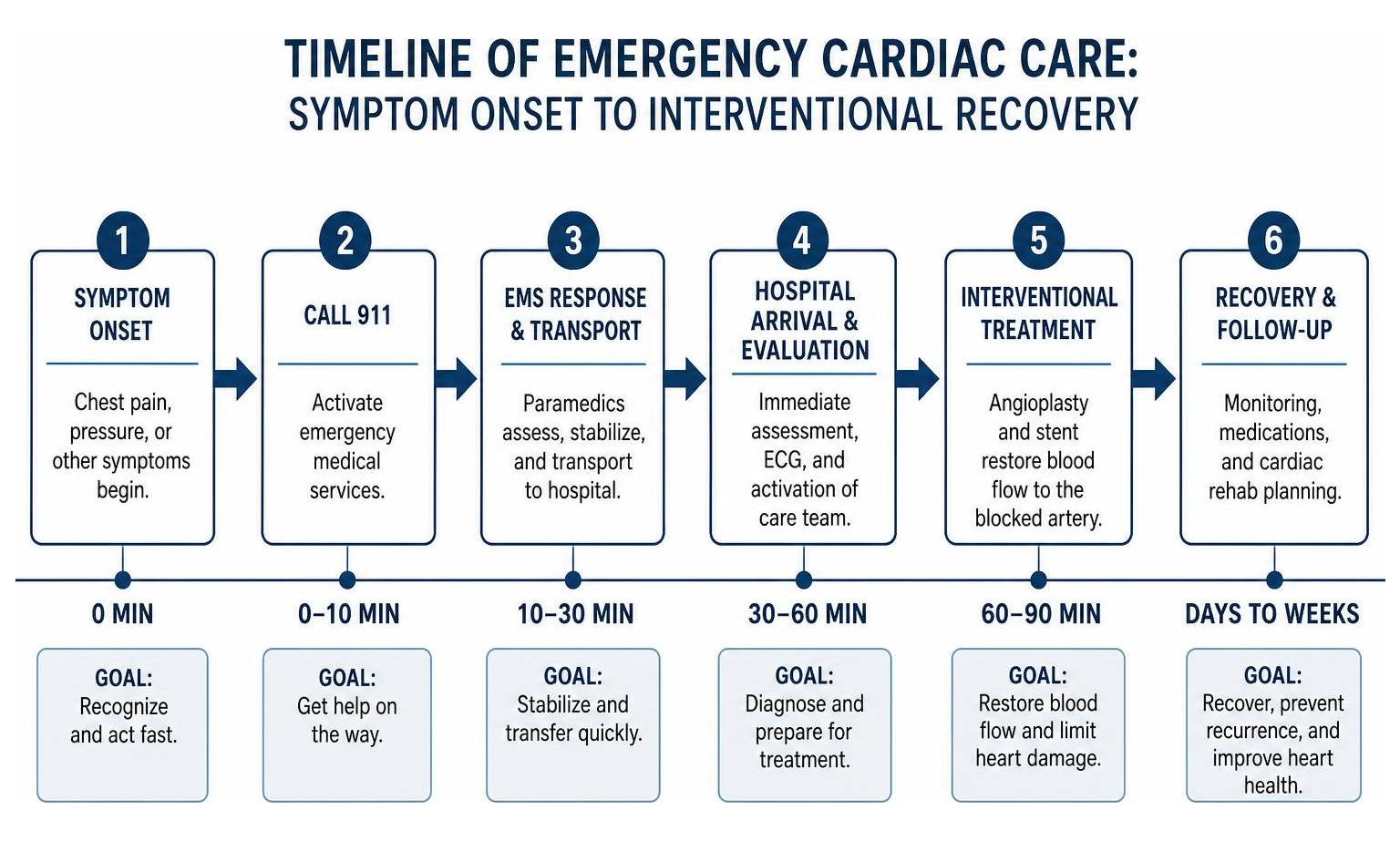
Historically, rural communities have faced significant barriers to heart care. In fact, national data shows that fewer than half of rural hospitals across the United States are equipped to provide cardiac catheterizations or interventional cardiology services. When these services are unavailable locally, patients in critical condition must be airlifted or transported via ambulance to distant cities, losing precious minutes in the process.
Having local access to a hospital with 24/7 emergency primary angioplasty and interventional capabilities means that patients experiencing a heart attack can receive immediate care right here in South Boston. These advanced interventional resources, including balloon angioplasty and stent placement, restore blood flow to blocked coronary arteries rapidly, dramatically improving survival rates and long-term recovery outcomes.
Essential Diagnostic Tests and Procedures Offered Locally
An accurate diagnosis is the first step toward a healthy heart. Fortunately, you don’t need to travel to a distant university hospital to undergo advanced cardiac testing. A fully equipped South Boston cardiac center can perform a comprehensive suite of diagnostic tests right in your neighborhood.
If you are experiencing symptoms like chest pain, shortness of breath, or palpitations, your cardiologist will likely recommend one or more of these tests to evaluate how well your heart is functioning.
Explore diagnostic heart testing to learn how we use state-of-the-art technology to get a clear picture of your cardiovascular health.
Non-Invasive Cardiac Evaluations
Non-invasive tests are diagnostic procedures that do not require any incisions, injections, or instruments entering the body. They are completely painless, highly accurate, and serve as the frontline tools for early detection and ongoing monitoring of heart conditions.
- Electrocardiogram (EKG/ECG): This is the most common starting point for any cardiac evaluation. By placing small, sticky sensors on your chest, arms, and legs, we can record your heart’s electrical activity. An EKG can quickly detect irregular heart rhythms (arrhythmias) or indicate if you’ve recently suffered a heart attack.
- Echocardiogram: Think of this as an ultrasound for your heart. Using sound waves, an echocardiogram creates real-time, moving images of your heart’s chambers, valves, and blood vessels. It allows your cardiologist to see exactly how well your heart muscle is pumping and check for any structural abnormalities, such as leaky valves.
- Stress Testing: Sometimes, heart issues only show up when your heart is working hard. During a stress test, you’ll walk on a treadmill while we monitor your heart rate, blood pressure, and electrical rhythm. If you are unable to exercise, we can perform a chemical stress test using medication to safely simulate the effects of exercise on the heart.
- Rhythm Monitoring (Holter & Event Monitors): A standard EKG only records your heart for a few seconds. If your palpitations or dizzy spells happen randomly throughout the day, we may ask you to wear a portable monitor. A Holter monitor is typically worn for 24 to 48 hours and records every single heartbeat. An event monitor can be worn for up to a month and is activated by you whenever you feel a symptom, ensuring we capture those elusive electrical hiccups.
Advanced Interventional Procedures
When non-invasive tests suggest a more serious underlying issue, such as a major blockage in your arteries, advanced interventional procedures become necessary. These minimally invasive techniques allow cardiologists to look inside your blood vessels and treat blockages directly.
- Cardiac Catheterization & Angiograms: During a catheterization, a cardiologist guides a very thin, flexible tube (catheter) through a blood vessel in your wrist or groin up to your heart. By injecting a special contrast dye and taking X-ray images (an angiogram), the doctor can pinpoint the exact location and severity of any blockages in your coronary arteries.
- Cardioversion: For patients living with rapid, irregular heart rhythms like atrial fibrillation (AFib), cardioversion can help reset the heart’s natural rhythm. This can be done using medications or by delivering a quick, low-energy electrical shock to the chest while the patient is briefly sedated.
- Pacemaker & ICD Management: For hearts that beat too slowly or are at risk of dangerous, rapid rhythms, implantable devices like pacemakers and Implantable Cardioverter-Defibrillators (ICDs) are lifesavers. A local cardiac center provides essential ongoing monitoring, battery checks, and programming adjustments for these devices to ensure they are always working perfectly.
Read about heart disease diagnosis and treatment to discover how we combine advanced interventional techniques with personalized medical management.
How to Access and Coordinate Your Cardiovascular Care

Taking the first step toward cardiac care doesn’t have to be overwhelming. Understanding how to access these services can save you time, money, and unnecessary stress.
First, let’s talk about insurance and payments. Most reputable cardiac centers accept a wide range of health insurance plans, including Medicare, Medicaid, and commercial providers. It is always a good idea to contact your insurance provider or the clinic’s billing department directly to verify coverage details before your visit.
Second, understand the referral pathway. In many healthcare systems, you cannot simply call up a cardiologist and book an appointment on your own. For example, at many community health centers, specialty appointments can only be booked after a formal referral has been made by your primary care provider.
At Halifax Heart Center, we aim to keep the process as simple and supportive as possible. Whether you have a direct referral from your family doctor or are seeking a second opinion, our team is here to guide you through every step of the scheduling and insurance verification process.
Schedule a cardiac evaluation with our team today to get started.
Frequently Asked Questions About Local Cardiac Care

When should you see a cardiologist?
You should schedule an evaluation with a cardiologist if you experience any warning signs of cardiovascular trouble. These include chest pain or tightness, shortness of breath (especially when resting or during mild exertion), unexplained dizziness, fainting spells, or a fluttering sensation in your chest (palpitations).
Additionally, if you have multiple cardiovascular risk factors — such as chronic high blood pressure, high cholesterol, diabetes, or a history of heavy smoking — proactive screenings can help catch heart disease before it leads to a crisis.
Is heart disease hereditary?
Yes, genetics can play a significant role in your cardiovascular risk. If you have a close relative (like a parent or sibling) who developed heart disease or suffered a heart attack at an early age (under 55 for men, or under 65 for women), your personal risk is substantially higher.
However, genetics is not destiny. While you cannot change your family history, you have complete control over your lifestyle choices. Eating a balanced diet low in saturated fats and sodium, exercising regularly, maintaining a healthy weight, and avoiding tobacco are incredibly powerful tools that can dramatically lower your risk, even if heart disease runs in your family.
Does a negative stress test rule out heart disease?
While a negative (normal) stress test is highly reassuring, it does not completely rule out the presence of coronary artery disease. A stress test is designed to detect blockages that are severe enough to restrict blood flow during physical exertion (typically blockages of 70% or more).
It may not detect mild, early-stage plaque buildup that has not yet restricted blood flow. If you continue to experience chest pain or shortness of breath despite a normal stress test, your cardiologist will work with you to perform additional diagnostic evaluations to find the root cause of your symptoms.
Conclusion
Your heart is the engine of your life, and keeping it running smoothly requires the right partner. When searching for a South Boston cardiac center, you deserve a team that combines cutting-edge diagnostic technology with a warm, personalized approach to medicine.
At Halifax Heart Center, located right here in South Boston, VA, we are dedicated to helping our neighbors throughout Halifax County and Southside Virginia live long, vibrant, heart-healthy lives. From early detection and routine monitoring to advanced interventional care, we are with you every step of the way.
Don’t wait for a warning sign to become an emergency. Take control of your heart health today and let us help you protect your heart for life.