
Your Heart’s Best Friend: Choosing a South Boston Heart Disease Specialist
Heart Disease Is the Leading Cause of Death — Here’s How to Find the Right Specialist in South Boston
Finding a South Boston heart disease specialist you can trust is one of the most important health decisions you’ll ever make. According to the CDC, heart disease accounts for nearly 1 in 3 deaths in the United States every year — and for residents of Southside Virginia dealing with chest pain, fatigue, or an irregular heartbeat, getting the right local care quickly can make all the difference.
Here’s what to know right away:
- South Boston, VA has access to local cardiovascular specialists offering diagnostics, treatment, and preventive care close to home
- You do not always need to travel to a major city for high-quality heart care
- Key services available locally include EKGs, echocardiograms, stress tests, cardiac catheterization, and pacemaker management
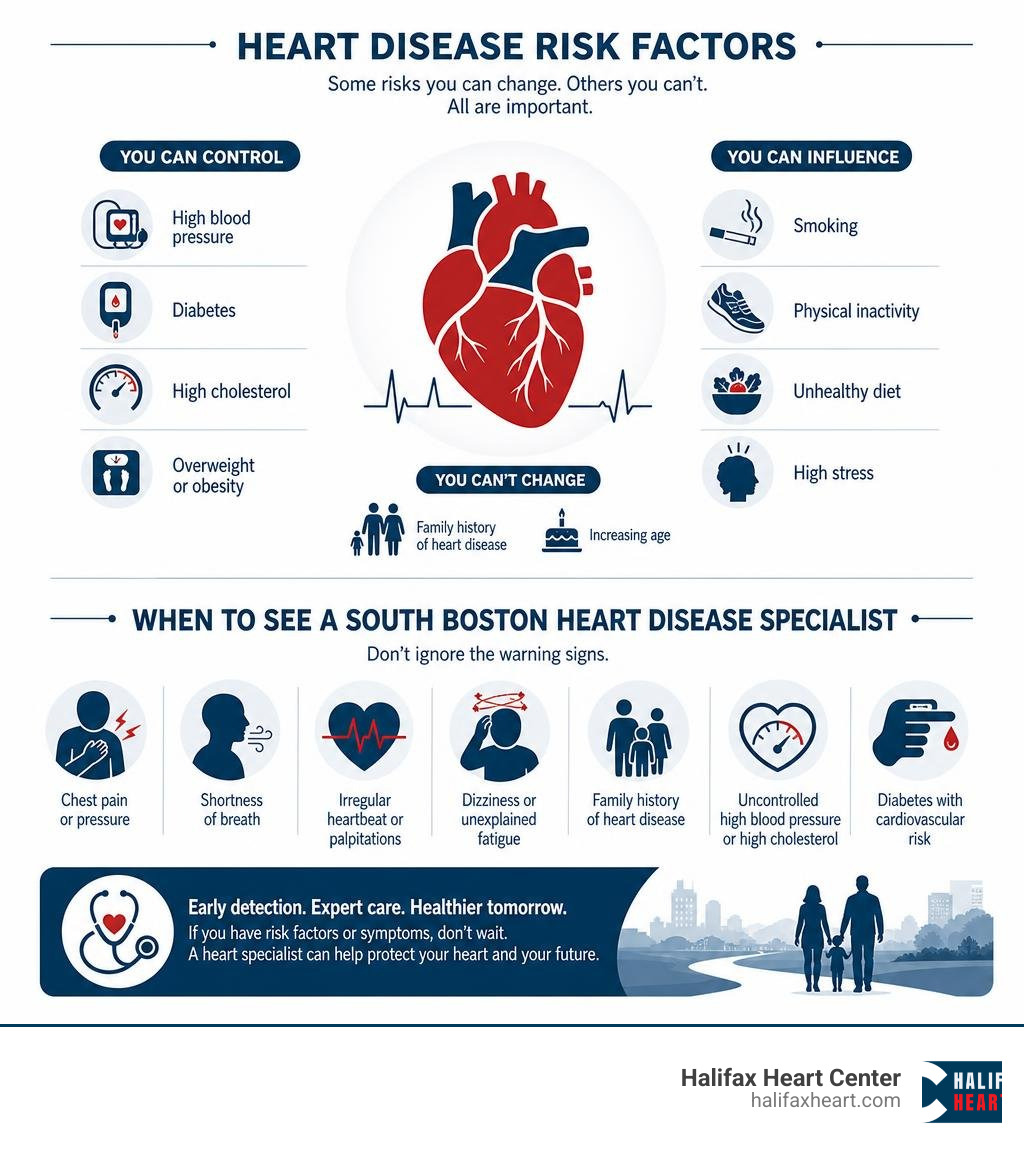
- Risk factors like high blood pressure, diabetes, and family history of heart disease are strong reasons to see a cardiologist — even before symptoms appear
- Most practices accept a range of insurance plans; some require a referral from a primary care provider
Common reasons South Boston residents see a heart specialist:
- Chest pain or pressure
- Shortness of breath
- Irregular heartbeat or palpitations
- Dizziness or unexplained fatigue
- Family history of heart disease
- Uncontrolled high blood pressure or high cholesterol
- Diabetes with cardiovascular risk
At Halifax Heart Center, we provide compassionate, high-quality cardiovascular care to patients throughout South Boston, Halifax County, and the surrounding Southside Virginia communities. As a dedicated South Boston heart disease specialist practice, our team is focused on prevention, early detection, and personalized treatment — so you can get expert heart care without leaving home. In the sections below, we’ll walk you through everything you need to know to find and access the right care.
Finding the Right South Boston Heart Disease Specialist
Navigating your cardiovascular health can feel overwhelming. When you are looking for a South Boston heart disease specialist, you aren’t just looking for someone with a medical degree—you are looking for a partner in your long-term wellness. A great cardiologist listens to your concerns, explains complex medical terms in plain English, and designs a treatment plan that fits your unique lifestyle.
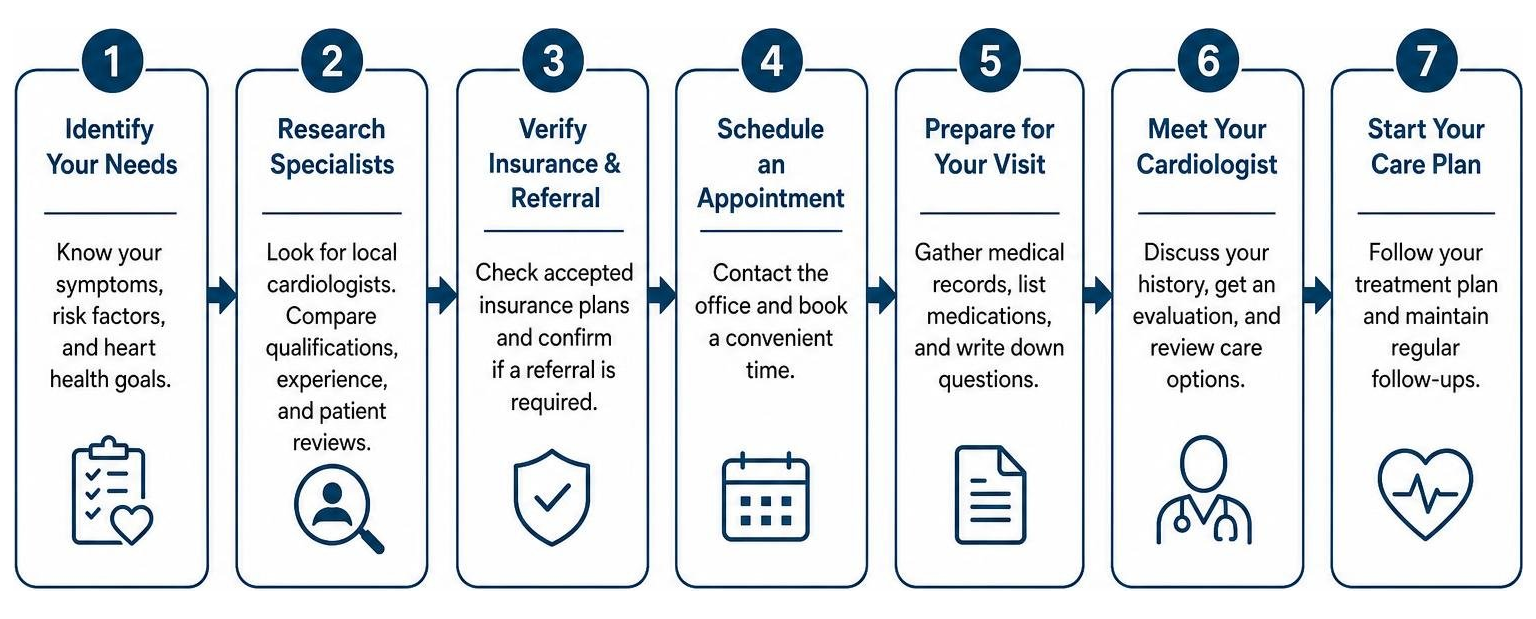
To help you navigate this process, we have outlined the typical journey to finding and establishing care with a local heart specialist:
When evaluating potential specialists, patient testimonials and reviews offer invaluable insights into the daily reality of a practice. Patients consistently highlight provider communication, wait times, and office environment as critical factors in their experience. A practice that prioritizes clear communication helps reduce the anxiety that often accompanies a heart diagnosis.
To make an informed decision, we encourage you to explore our guide on how to Choose Cardiologist in South Boston VA to find a provider who aligns with your values and healthcare needs.
Why You Need a South Boston Heart Disease Specialist
Cardiology is a highly specialized field because the cardiovascular system is incredibly complex. While your primary care doctor is excellent for routine wellness and managing general health, a heart specialist has spent years focusing solely on the intricacies of the heart and blood vessels.
Early detection is the cornerstone of preventive cardiology. Many cardiovascular issues, such as silent coronary artery disease or early-stage heart failure, develop gradually without obvious symptoms. By the time you notice shortness of breath or mild chest pressure, the underlying condition may have already progressed.
Partnering with a specialist allows for early intervention, which can slow or even halt the progression of heart disease. If you have been searching for a trusted “Cardiologist Near Me South Boston VA“, establishing a relationship with a local expert ensures that you have a rapid pathway to care if unexpected symptoms arise.
How to Choose Your South Boston Heart Disease Specialist
Choosing a specialist involves looking closely at credentials, board certifications, and clinical focus. You want a cardiologist who is board-certified in cardiovascular disease, which demonstrates they have passed rigorous exams and maintain the highest standards of ongoing medical education.
Beyond technical credentials, consider the practical aspects of your care:
- Communication Style: Does the doctor take the time to answer your questions, or do they feel rushed?
- Accessibility: Is the office located conveniently in South Boston with easy parking?
- Support Staff: Are the nurses and administrative staff helpful, polite, and responsive?
For more tips on choosing a provider who meets these benchmarks, read our overview of Heart Providers South Boston VA.
Comprehensive Cardiology Services and Care Models in Southside Virginia
Cardiology care in Southside Virginia is delivered through several distinct care models. Understanding how these models differ can help you choose the right environment for your treatment.
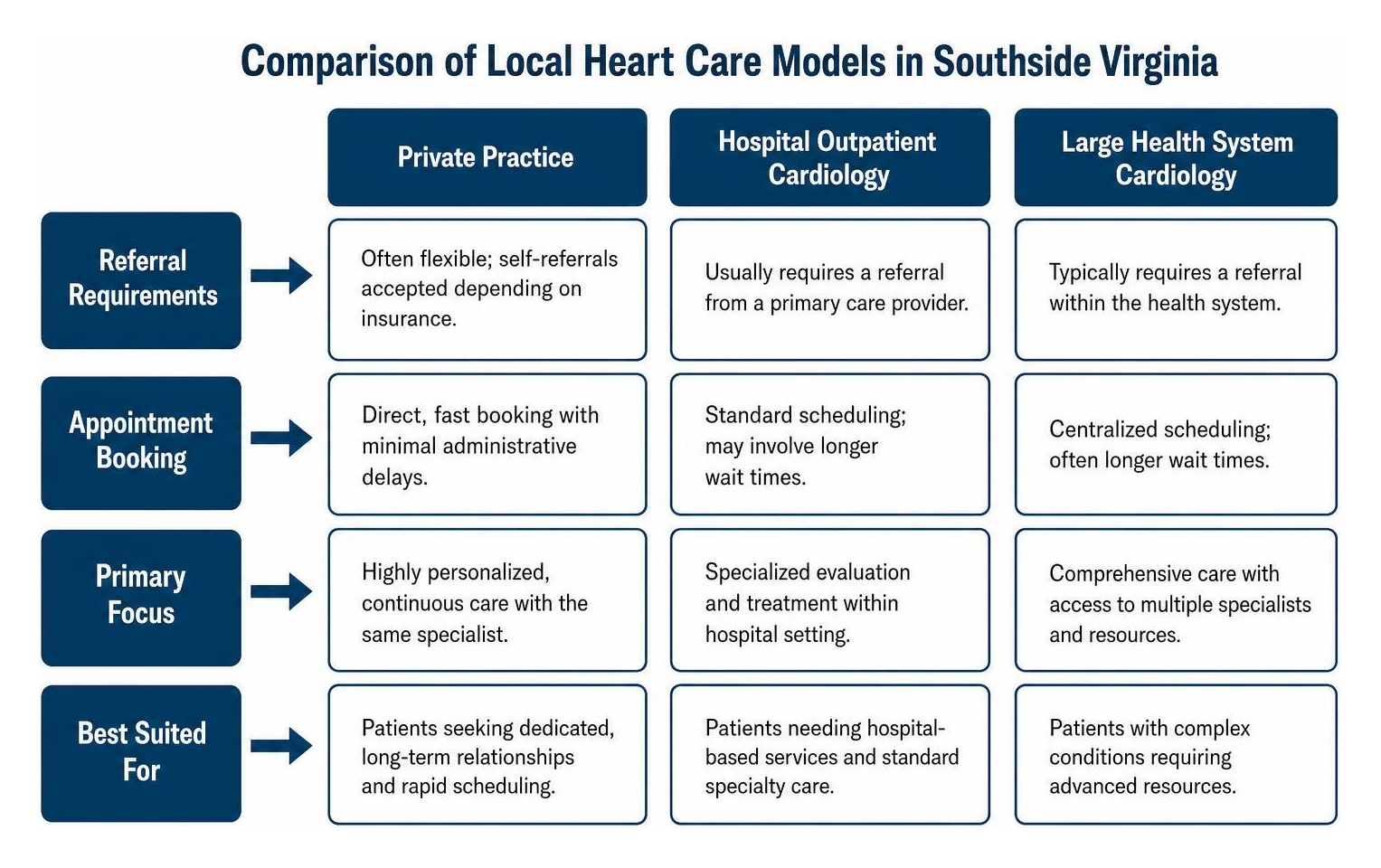
To help you visualize how these care models compare, we have put together a detailed breakdown of what you can expect from each setting:
| Care Model | Referral Requirements | Appointment Booking | Primary Focus | Best Suited For |
|---|---|---|---|---|
| Private Practice (e.g., Halifax Heart Center) | Often flexible; self-referrals accepted depending on insurance. | Direct, fast booking with minimal administrative delays. | Highly personalized, continuous care with the same specialist. | Patients seeking dedicated, long-term relationships and rapid scheduling. |
| Community Health Centers | Typically requires a referral from an on-site primary care provider. | Scheduled through the health center’s centralized system. | Integrated primary care and basic specialty consultations. | Patients looking for highly integrated, multi-specialty care under one roof. |
| Hospital Systems | Usually requires a formal referral from an affiliated primary care doctor. | Managed through large hospital portals or call centers. | Acute care, emergency interventions, and highly complex surgeries. | Patients requiring advanced surgical procedures or inpatient monitoring. |
Comparing Private Practices, Community Health Centers, and Hospital Systems
Each care model has its place in the healthcare ecosystem. Community health centers excel at integrating basic cardiology consultations with primary care, often hosting visiting specialists on a weekly basis. However, because these services are part-time, booking an appointment can sometimes take longer, and care is generally limited to adult patients over the age of 18.
Hospital systems offer robust resources, particularly for acute emergencies like heart attacks or complex surgical interventions. However, the sheer size of hospital bureaucracies can sometimes make scheduling routine follow-ups or reaching your doctor directly a challenge.
Private practices, like Halifax Heart Center, offer the best of both worlds. We provide direct, streamlined booking, accept a wide range of insurance plans, and offer highly personalized diagnostic and therapeutic services. Because our focus is entirely on cardiovascular health, we can quickly adapt our schedule to accommodate urgent evaluations.
To learn more about the specific treatments and diagnostic capabilities available at our local clinic, explore our comprehensive guide to Heart Services South Boston VA.
Specialized Cardiac Care: Women’s Health, Cardio-Obstetrics, and Prevention
Cardiovascular care is not one-size-fits-all. In recent years, the medical community has recognized that heart disease can present differently in women than in men. Women are more likely to experience atypical symptoms of a heart attack—such as extreme fatigue, nausea, shortness of breath, or pain in the jaw or back—rather than the classic “crushing chest pain.”
Additionally, specialized fields like cardio-obstetrics focus on managing heart health during pregnancy, protecting both mother and baby. Academic research, such as the work of experts like Samuel Slavin | Medicine , highlights the importance of incorporating patient narratives and community-based care models to address complex issues. This includes examining the cardiovascular impacts of substance use, managing cardio-rheumatology conditions, and developing tailored prevention strategies for high-risk populations.
Advanced Diagnostic Testing and Treatments for Cardiovascular Health
When you visit a South Boston heart disease specialist, your journey begins with an accurate diagnosis. Modern cardiology relies on a suite of sophisticated, non-invasive diagnostic tools to evaluate the structure and function of your heart.
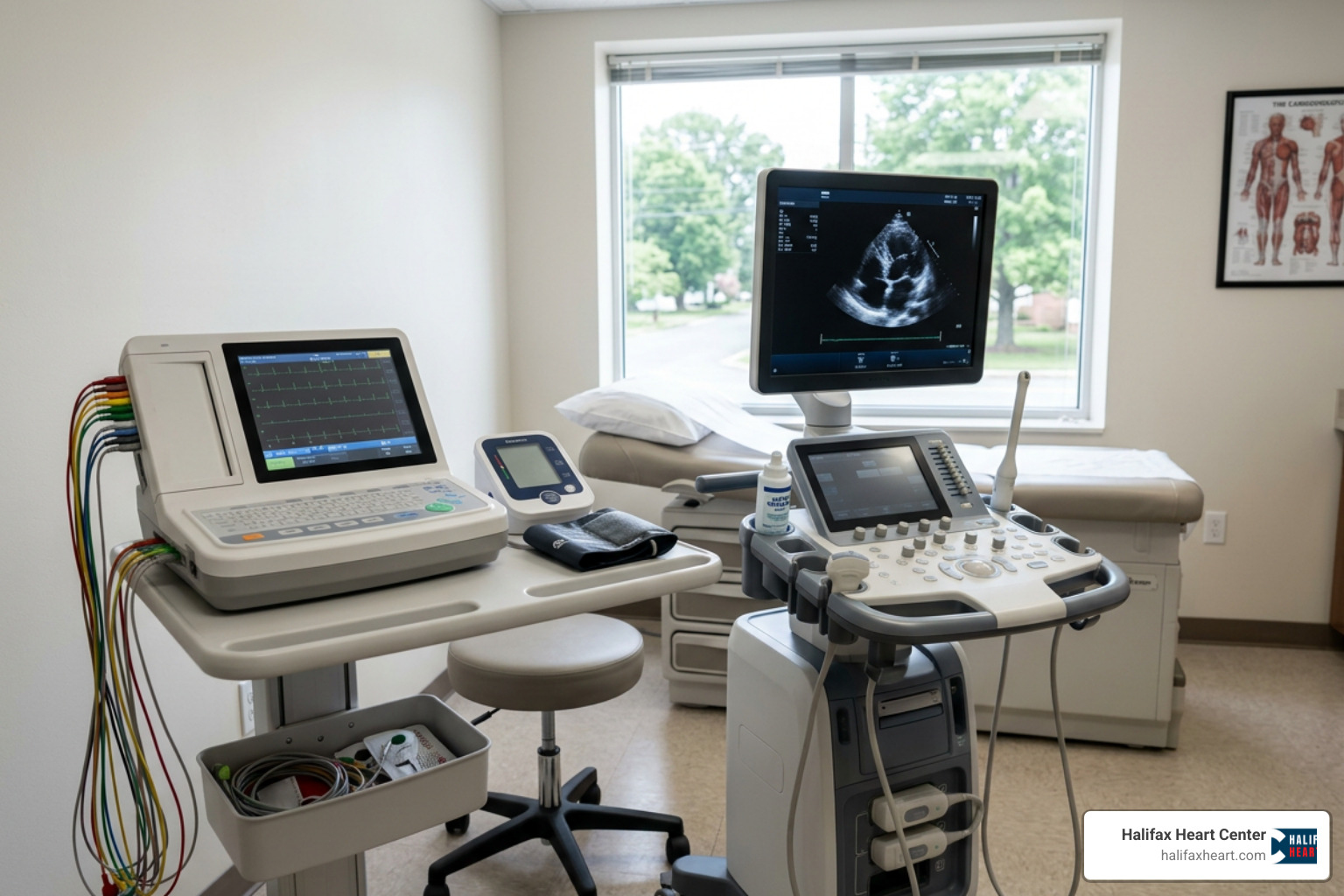
At Halifax Heart Center, we offer state-of-the-art diagnostic testing right here in South Boston, saving you the stress of traveling long distances for basic screenings. To understand the full scope of our diagnostic capabilities, visit our dedicated page on Diagnostic Heart Testing South Boston VA.
Local Diagnostic Tools and Minimally Invasive Procedures
Our local diagnostic and therapeutic offerings include:
- Electrocardiograms (EKG/ECG): A quick, painless test that records the electrical signals in your heart to detect arrhythmias or signs of a previous heart attack.
- Echocardiograms: An ultrasound of the heart that provides detailed, moving images of your heart chambers, valves, and pumping capacity.
- Stress Testing: Evaluates how your heart performs under physical exertion, helping to identify blockages in the coronary arteries.
- Rhythm Monitoring: Utilizing wearable devices like Holter monitors or event monitors to track your heart rhythm over days or weeks.
- Pacemaker & ICD Management: Ongoing monitoring, device checks, and programming adjustments to ensure your implantable device is functioning perfectly.
For patients requiring more advanced interventional procedures, such as cardiac catheterization, angioplasty, or stent placements, local specialists coordinate closely with regional medical centers. Leading interventional cardiologists, such as Dr. Piotr Sobieszczyk, MD , utilize advanced radial access techniques (going through the wrist rather than the groin) to perform catheter-based procedures safely, improving recovery times and patient comfort.
Frequently Asked Questions About Heart Health
We hear many questions from our South Boston neighbors about heart health. Below are some of the most common questions and answers to help you stay informed.
When should you see a cardiologist?
You should see a cardiologist if you experience any warning signs of cardiovascular trouble, including:
- Chest pain, pressure, or tightness
- Shortness of breath during normal activities or while resting
- Dizziness, lightheadedness, or fainting spells
- A racing, fluttering, or pounding heartbeat
- Unexplained swelling in your legs, ankles, or feet
Even if you do not have symptoms, you should consider a cardiovascular evaluation if you have multiple risk factors, such as diabetes, high blood pressure, high cholesterol, a history of smoking, or a strong family history of early heart disease. For more details on what to expect during your first visit, check out our guide on finding a trusted Heart Doctor South Boston VA.
What causes chest pain and palpitations?
Chest pain and palpitations can stem from a variety of causes. While some are relatively benign, others can be life-threatening.
- Cardiac Causes: Coronary artery disease (blockages in the heart’s arteries), heart attacks, valve disorders, or arrhythmias (irregular heartbeats).
- Non-Cardiac Causes: Acid reflux (GERD), muscle strain in the chest wall, anxiety or panic attacks, and certain lung conditions.
Because it is impossible to safely self-diagnose the cause of chest pain, any new, severe, or worsening chest pain should be evaluated by a medical professional immediately.
Is heart disease hereditary?
Yes, genetics play a significant role in your cardiovascular risk. If a close relative (such as a parent or sibling) developed heart disease or had a heart attack at an early age (under 55 for men, or under 65 for women), your risk is statistically higher.
However, genetics are not destiny. Lifestyle modifications—such as eating a heart-healthy diet, exercising regularly, maintaining a healthy weight, avoiding tobacco, and managing conditions like high blood pressure and cholesterol—are incredibly powerful tools that can dramatically lower your actual risk of developing heart disease.
Conclusion
Your heart is the engine of your life, and keeping it healthy requires proactive care, early detection, and the right medical partner. By choosing a dedicated South Boston heart disease specialist, you gain access to advanced diagnostic testing, personalized treatment plans, and compassionate care right in your local community.
At Halifax Heart Center, we are committed to helping our neighbors in South Boston, Halifax County, and Southside Virginia live longer, healthier lives. You do not have to travel far to receive world-class cardiovascular care. Whether you need a routine heart screening, help managing a chronic condition, or a comprehensive evaluation for new symptoms, we are here to support you every step of the way.
Ready to take control of your heart health? Schedule a personalized consultation with us today by visiting our Halifax Heart Center Appointment page, or learn more about our complete range of services by reading about Heart Disease Diagnosis & Treatment South Boston VA.