
The South Boston Guide to Coronary Artery Care and Happy Hearts
Why South Boston Coronary Artery Care Matters for Your Heart Health
South Boston coronary artery care is closer and more accessible than many residents of Southside Virginia realize. If you’re dealing with chest pain, fatigue, or a family history of heart disease, here’s what you need to know right away:
Quick answers for local patients:
- Where to start: Talk to your primary care provider (PCP) first. They can refer you to a local cardiologist.
- Who to see: Board-certified cardiologists in and around South Boston, VA offer diagnostics, treatment, and ongoing heart care.
- What’s available locally: Diagnostic testing (EKG, echocardiogram, stress test), medication management, and interventional procedures are all accessible without traveling to a major city.
- Warning signs to act on now: Chest pain, shortness of breath, irregular heartbeat, or unexplained fatigue — especially with risk factors like high blood pressure, diabetes, or a family history of heart disease.
- Don’t wait: Heart and vascular disease is the leading cause of death for both men and women in the United States.
Coronary artery disease (CAD) is one of the most common — and most preventable — heart conditions. It happens when the arteries that supply blood to your heart become narrowed or blocked. Over time, that can lead to a heart attack. The good news? With the right care team and early action, it is very manageable.
At Halifax Heart Center, we provide compassionate, high-quality cardiovascular care to patients throughout South Boston, Halifax County, and surrounding Southside Virginia communities, with a focus on prevention, early detection, and personalized South Boston coronary artery care that keeps you close to home. Read on for everything you need to know about protecting your heart right here in your own community.
Understanding Coronary Artery Disease and Heart Health
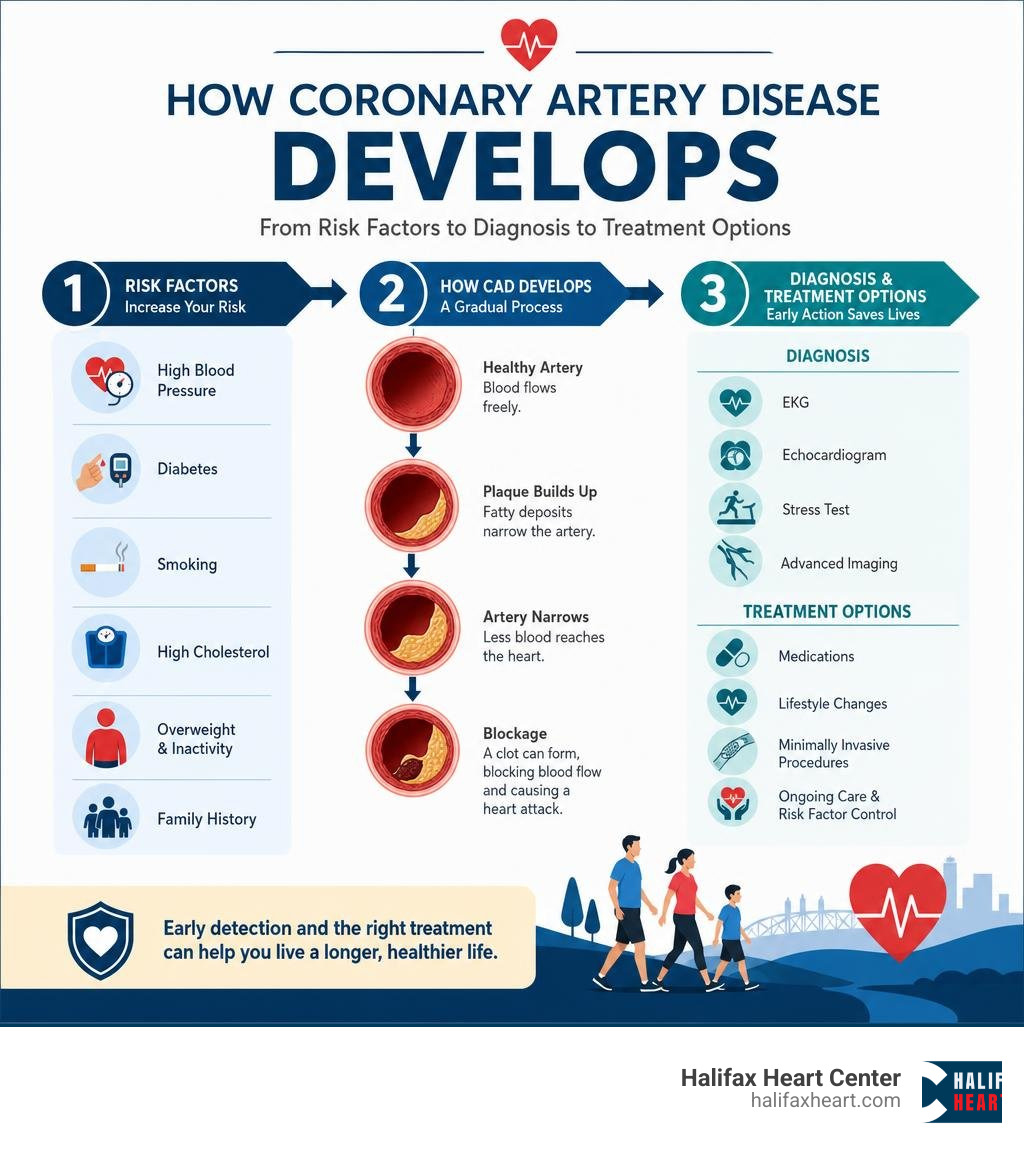
To understand why specialized South Boston coronary artery care is so vital, we first need to look at how your heart functions. Think of your heart as the ultimate engine. To keep running smoothly, it needs a constant supply of oxygen-rich blood. This supply is delivered through a network of specialized blood vessels known as the coronary arteries.
When these vessels are healthy, they are smooth and elastic, allowing blood to flow freely. However, over time, a condition called atherosclerosis can develop. Atherosclerosis is the gradual buildup of plaque—a sticky mixture of fat, cholesterol, calcium, and other substances—on the inner walls of your arteries.
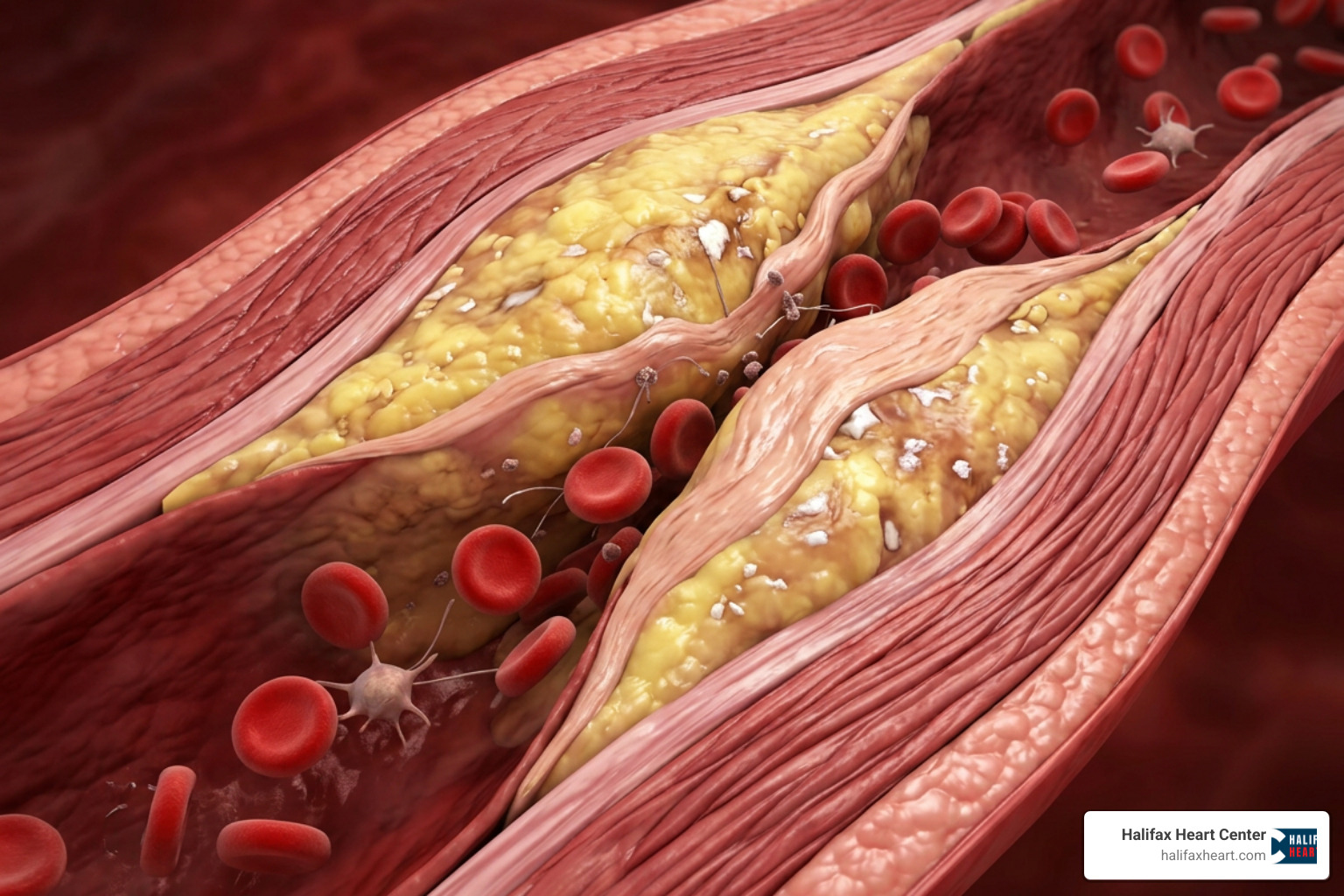
As this plaque accumulates, it narrows the arterial passageway, restricting blood flow to the heart muscle. This restriction can cause discomfort and strain the heart. In the worst-case scenario, a piece of plaque can rupture, forming a sudden blood clot that completely blocks the artery. This blockage causes a myocardial infarction, commonly known as a heart attack, where a portion of the heart muscle is starved of oxygen and begins to suffer permanent damage.
Atherosclerosis is the primary driver of coronary artery disease (CAD), which is the most prevalent form of cardiovascular disease in the United States. Because CAD develops slowly and often silently over decades, understanding the warning signs and addressing risk factors early is the best way to protect your life.
Common Symptoms and Warning Signs
One of the trickiest aspects of coronary artery disease is that it can creep up on you without any obvious warning. However, as the arteries continue to narrow, your body will eventually start sending distress signals. Recognizing these symptoms early can be the difference between a minor lifestyle adjustment and a medical emergency.
The most common symptoms of CAD include:
- Chest Pain (Angina): This is the classic warning sign. Angina is often described not as a sharp pain, but as a feeling of pressure, squeezing, fullness, or tightness in the chest. It can feel like an elephant is sitting on your chest, or it may easily be mistaken for stubborn indigestion or heartburn. Angina typically occurs during physical exertion or emotional stress when your heart is working harder and demanding more oxygen.
- Shortness of Breath: If your heart isn’t getting enough oxygenated blood, you may feel winded or struggle to catch your breath after simple activities that used to be easy, like walking up a flight of stairs or working in the garden.
- Palpitations: Some patients describe a fluttering sensation, a racing pulse, or a feeling that their heart is skipping a beat.
- Unusual Fatigue: Feeling completely drained or exhausted after normal daily routines can indicate that your heart is struggling to pump blood efficiently throughout your body.
- Dizziness or Lightheadedness: A temporary drop in blood flow to the brain due to reduced cardiac efficiency can leave you feeling faint or unsteady on your feet.
If you or a loved one experiences sudden, severe chest pain—especially if it radiates to your jaw, neck, back, or arm, and is accompanied by sweating, nausea, or shortness of breath—do not wait to see if it passes. Seek emergency medical attention immediately by calling 911.
Key Risk Factors: High Blood Pressure and High Cholesterol
While some factors are beyond our control, many of the primary contributors to coronary artery disease can be managed, treated, or modified. Understanding your personal risk profile is the first step we take in establishing a preventive care plan.
The major risk factors for CAD include:
- Hypertension (High Blood Pressure): Uncontrolled high blood pressure forces your heart to work harder to circulate blood. This constant, high-pressure strain damages the delicate lining of your arteries, making them far more susceptible to plaque accumulation.
- High LDL Cholesterol: Often called the “bad” cholesterol, high levels of low-density lipoprotein (LDL) in your blood provide the raw materials that build up as plaque in your arterial walls.
- Diabetes: High blood sugar levels associated with diabetes can damage blood vessels and the nerves that control your heart, significantly increasing the likelihood of developing cardiovascular disease.
- Family History and Genetics: If you have close relatives who developed heart disease at an early age (before 55 for men or 65 for women), your genetic predisposition may put you at a higher risk.
- Lifestyle Factors: Smoking, a sedentary lifestyle, obesity, chronic stress, and a diet high in saturated fats and sodium all accelerate the progression of atherosclerosis.
Fortunately, you do not have to navigate these risks alone. To learn more about how these factors interact and what you can do to manage them, read our detailed guide on High Blood Pressure and High Cholesterol.
Diagnostic Testing and Treatment Options
When you visit us for a cardiovascular evaluation, our primary goal is early detection. Catching arterial narrowing before it leads to a heart attack allows for much safer, highly effective, and non-invasive treatment strategies.
Evaluating your heart health typically involves a combination of non-invasive diagnostic tests and, when necessary, minimally invasive interventional procedures. To help you understand what to expect, we have compiled a comparison of these diagnostic approaches:
| Test Category | Common Examples | Primary Purpose | What to Expect |
|---|---|---|---|
| Non-Invasive Testing | EKG, Echocardiogram, Stress Test, Holter Monitors | To evaluate heart rhythm, structural integrity, and blood flow under stress without entering the body. | Completely painless, performed in-office, using sensors, ultrasound waves, or physical exercise. |
| Invasive / Interventional | Cardiac Catheterization, Coronary Angiogram | To directly visualize blockages inside the arteries and perform immediate repairs if needed. | Performed in a specialized lab under mild sedation; a thin tube is guided through a blood vessel to the heart. |
Advanced Diagnostic Testing for South Boston Coronary Artery Care
We believe that state-of-the-art diagnostics should be available close to home. Our office utilizes modern equipment to conduct thorough evaluations, helping us pinpoint the exact nature of any cardiovascular issues.
The primary non-invasive tests we use to assess coronary artery health include:
- Electrocardiogram (EKG/ECG): This quick, painless test records the electrical signals of your heart. It can identify irregular heart rhythms (arrhythmias) and show signs of previous or ongoing heart damage.
- Echocardiogram: Using high-frequency sound waves (ultrasound), an echocardiogram creates real-time, moving images of your heart. This allows us to see how well your heart chambers and valves are pumping blood.
- Stress Testing: A stress test monitors your heart’s electrical activity and blood pressure while you exercise on a treadmill. This helps us see how your heart performs under physical demand, which often reveals blockages that aren’t apparent while you are at rest.
- Holter and Event Monitors: If your symptoms come and go, we may have you wear a portable device for 24 hours or longer to continuously record your heart’s electrical activity as you go about your normal daily routine.
If you are experiencing symptoms or have multiple risk factors, we invite you to Explore diagnostic heart testing options available right here in South Boston.
Interventional Procedures and Catheterization
If non-invasive tests indicate a significant blockage in your coronary arteries, more advanced, direct visualization may be required.
During a cardiac catheterization, a cardiologist guides a very thin, flexible tube (catheter) through a blood vessel in your groin or wrist up to your heart. Once in place, a special contrast dye is injected, and X-ray images are taken. This procedure, known as a coronary angiogram, highlights the exact location and severity of any arterial blockages.
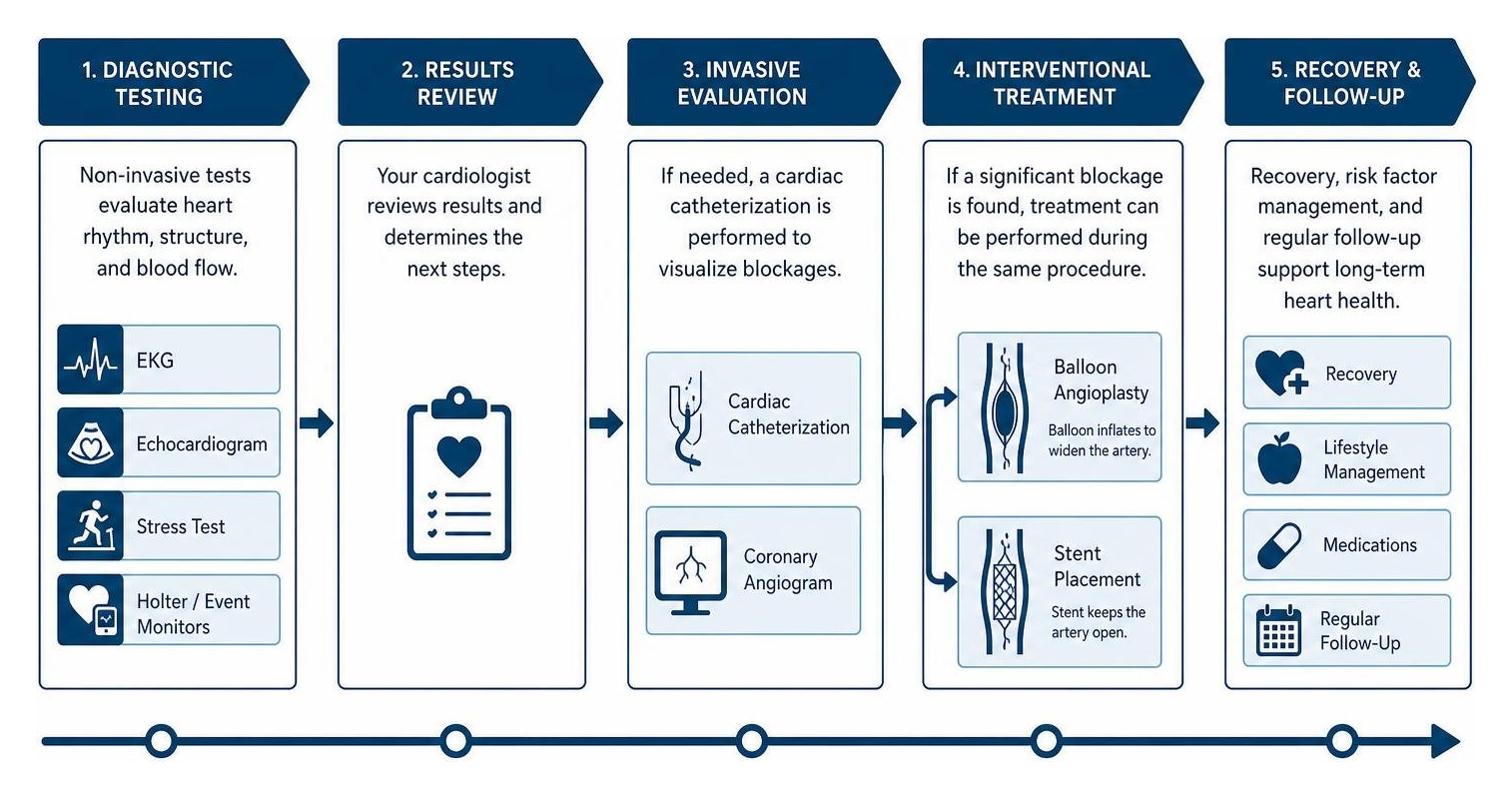
If a severe blockage is found, the cardiologist can often perform a life-saving intervention during the same procedure:
- Balloon Angioplasty: A tiny balloon at the tip of the catheter is inflated at the site of the blockage, pushing the plaque against the artery walls and widening the path for blood flow.
- Stent Placement: A small, mesh-metal tube called a stent is expanded inside the newly opened artery to act as a scaffold, keeping the vessel permanently open.
For complex cases or specialized interventional consults, local providers frequently collaborate with regional experts, such as Dr. Piotr Sobieszczyk, MD , to ensure patients receive the highest standard of interventional care.
Lifestyle Modifications and Medical Management
While advanced procedures are incredibly effective at opening blocked pathways, the foundation of long-term South Boston coronary artery care lies in medical management and lifestyle changes. Stents treat individual blockages, but lifestyle and medication treat the systemic disease, preventing new blockages from forming elsewhere.
We work closely with our patients to design customized, sustainable lifestyle plans that focus on:
- A Heart-Healthy Diet: Emphasizing whole foods, including leafy greens, lean proteins, fiber-rich grains, and healthy fats (like olive oil), while significantly reducing processed sugars, sodium, and trans fats.
- Regular Physical Activity: Engaging in moderate aerobic exercise, such as brisk walking, swimming, or cycling, for at least 150 minutes per week.
- Smoking Cessation: Quitting tobacco is single-handedly the most impactful step you can take to lower your risk of a future heart attack.

In addition to lifestyle modifications, we rely on evidence-based medical therapies to protect your heart, including:
- Statins: These powerful medications lower LDL cholesterol and help stabilize existing arterial plaque, preventing it from rupturing.
- Beta-Blockers: These drugs lower blood pressure and slow your heart rate, reducing the workload on your heart muscle.
- Aspirin Therapy: A low-dose daily aspirin may be recommended for certain patients to prevent blood clots from forming in narrowed arteries.
To learn more about our comprehensive approach to medical management, you can Discover comprehensive heart services offered at our local practice.
Accessing South Boston Coronary Artery Care: Referrals and Insurance
We believe that accessing world-class cardiovascular care shouldn’t require driving hours to a distant metropolitan medical center. By keeping your care local, you can easily attend follow-up appointments, complete diagnostic testing, and build a lasting relationship with a team that understands your community.
Choosing the Right Specialist for South Boston Coronary Artery Care
Your heart is in your hands, but it is also in the hands of the specialist you choose. When looking for a cardiologist, you should prioritize:
- Board Certification: Ensure your provider is board-certified in cardiovascular disease, demonstrating they have met rigorous national standards of clinical knowledge and patient care.
- Clinical Experience: Look for a team with extensive experience diagnosing and treating coronary artery disease.
- Patient-Centered Approach: Choose a provider who takes the time to listen to your concerns, answer your questions in plain language, and involve you in your treatment decisions.
If you are ready to establish care with a local expert, we encourage you to Find a qualified heart doctor and review our tips on How to choose a cardiologist that fits your specific health needs.
Navigating Referrals and Insurance Coverage
We understand that navigating the healthcare system can sometimes feel overwhelming. To make your experience as seamless as possible, we coordinate closely with primary care providers throughout Southside Virginia.
Most insurance plans, including Medicare and commercial networks, require a referral from your primary care provider before you can see a specialist. If you are experiencing symptoms or are concerned about your cardiovascular risks, simply ask your primary care physician to submit a referral to our office.
We are proud members of the local business and healthcare community. You can view our professional listing through the Halifax Heart Center | Cardiology on the Halifax County Chamber of Commerce directory. To learn more about our clinical team, insurance policies, and how we coordinate with your primary doctor, you can Learn about heart providers who are dedicated to serving our community.
Frequently Asked Questions About Coronary Artery Care
We believe that an educated patient is an empowered patient. Here are answers to some of the most common questions we hear from our neighbors in South Boston, VA:
Is coronary artery disease hereditary?
Yes, genetics can play a significant role in your risk for coronary artery disease. If you have a family history of early heart disease, your body may naturally produce more cholesterol or be more prone to arterial inflammation. However, genetics is not destiny. By maintaining a healthy diet, exercising regularly, avoiding tobacco, and working with a cardiologist to manage your blood pressure and cholesterol, you can dramatically lower your overall risk, even with a strong family history.
When should I see a cardiologist for chest pain?
You should schedule an evaluation with a cardiologist if you experience any new, recurring, or unexplained chest discomfort, shortness of breath, or palpitations—especially if these symptoms occur during physical exertion.
Note: If you experience sudden, severe chest pain, pressure, or squeezing accompanied by shortness of breath, nausea, dizziness, or pain radiating down your arm, seek immediate emergency medical care by calling 911.
Can lifestyle changes reverse coronary artery disease?
While you cannot completely erase existing plaque from your arterial walls, healthy lifestyle choices combined with modern medical therapies can slow down, halt, or even partially reverse the progression of atherosclerosis. This process is called plaque stabilization. By lowering your LDL cholesterol and reducing inflammation, you make existing plaques much tougher and less likely to rupture, drastically reducing your risk of a future heart attack.
Conclusion
Your heart works tirelessly for you every single day, and it deserves the very best care available. Managing coronary artery disease doesn’t have to mean traveling far from home or feeling overwhelmed by complex medical jargon.
At Halifax Heart Center, located at 2232 Wilborn Ave Suite A, South Boston, VA 24592, we combine clinical expertise with the warm, personalized attention that our Southside Virginia neighbors deserve. From advanced diagnostic testing to tailored lifestyle support and medication management, we are here to walk with you every step of the way toward a healthier, happier heart.
Don’t wait for symptoms to become an emergency. Take control of your cardiovascular health today. Schedule your heart disease diagnosis and treatment today with our dedicated local team.